

Accessing dental care through sleep dentistry in Sarnia offers a vital solution for families managing the oral health of loved ones with special needs. For many individuals with physical, developmental, or cognitive challenges, the sights and sounds of a dental office can be overwhelming.
Sleep dentistry uses safe sedation methods to ensure that patients remain calm and comfortable while receiving necessary medical attention. This approach removes the barriers of fear and physical discomfort, making it possible for every member of the community to maintain a healthy and functional smile.
How Can Sleep Dentistry Help Patients with Special Needs?
New sedation methods allow patients with unique requirements to receive treatment with the safety and dignity they deserve.
What Exactly is “Sleep Dentistry”?
Sedation dentistry ranges from mild relaxation to a completely unconscious state, depending on the patient’s medical history and the complexity of the work. This field focuses on calming the nervous system so that essential procedures can be completed without stress.
- Nitrous Oxide (Laughing Gas)
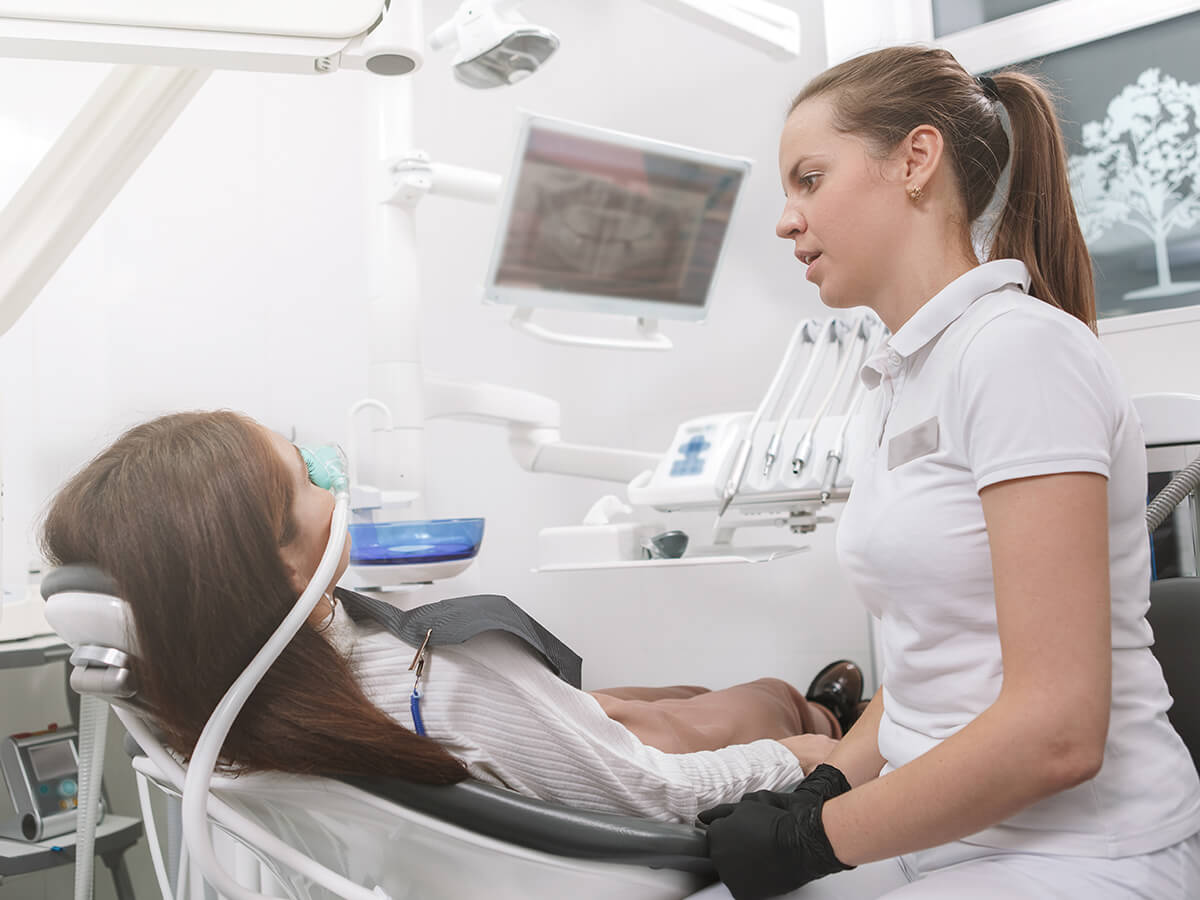
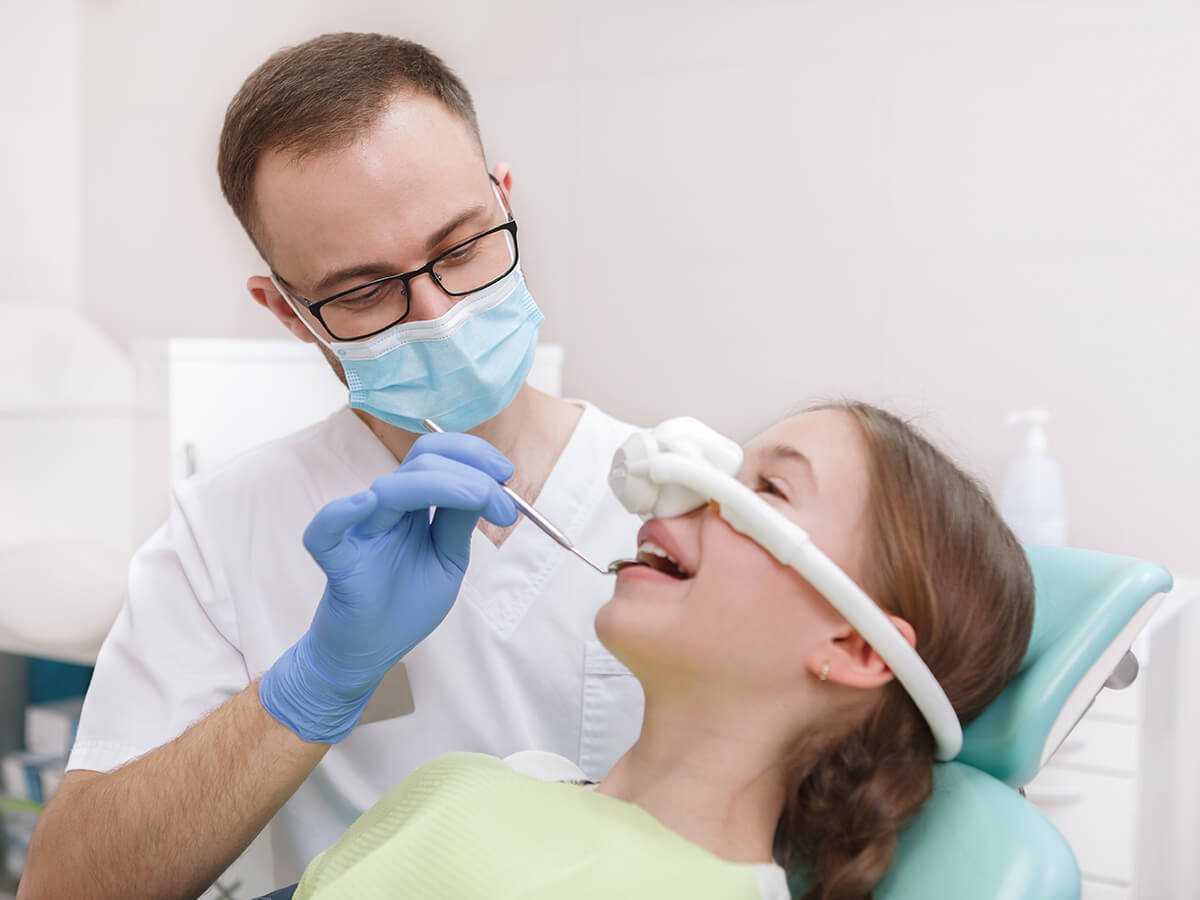
This is a mild sedative breathed in through a small mask to help a patient feel light and relaxed. It takes effect almost instantly and wears off just as quickly once the mask is removed. This option is ideal for those with mild anxiety who can still follow basic instructions.
- Oral Conscious Sedatio
This method involves taking a prescribed pill or liquid before the appointment to induce a state of deep drowsiness. While the patient remains technically awake, they feel very heavy and may drift in and out of a light sleep. It is often used for patients who struggle with restlessness during long procedures.
- Intravenous (IV) Sedation
A sedative is administered directly into a vein to provide an immediate and deeper level of relaxation. The dental team can adjust the dosage throughout the visit to ensure the patient stays comfortable. Most people have very little memory of the procedure, including the fitting of dentures, once the appointment ends.
- General Anesthesia
This is the most advanced level of sleep dentistry where the patient is fully unconscious under the care of a specialist. It is reserved for complex surgical cases or individuals who cannot remain still due to physical or cognitive conditions. This ensures total safety and a completely pain-free experience.
Why Special Needs Patients Require Extra Support
Many patients face specific physical or sensory hurdles that make a standard dental visit nearly impossible to navigate. Identifying these challenges allows dental teams to create a supportive environment that prioritizes the patient’s comfort and safety.
- Sensory Processing Sensitivity
The hum of a drill or the brightness of clinical lights can cause extreme distress or sensory overload for many patients. These stimuli can lead to a “fight or flight” response that makes treatment difficult. Sleep dentistry bypasses these triggers by allowing the patient to rest through the entire process.
- Involuntary Physical Movements
Conditions, such as cerebral palsy or Parkinson’s can cause muscle spasms that make using sharp dental tools very risky. Sedation helps the body remain still and relaxed, which protects the patient from accidental nicks or cuts. This stability is essential for the dentist to work with high precision.
- Communication and Cognitive Barriers
Some patients may not understand the importance of staying still or may be unable to tell the dentist if they feel pain. This lack of communication can lead to a traumatic experience if not handled with care. Sedation ensures the patient does not feel discomfort even if they cannot express it verbally.
- Heightened Dental Phobia
A single negative experience in the past can lead to a lifelong fear of any medical setting. This phobia often prevents families from seeking routine care until a major problem occurs. Sleep dentistry helps break this cycle of fear by ensuring every visit is a quiet and neutral experience.
Key Benefits of Sleep Dentistry
Families in the Sarnia area benefit when local clinics provide sedation services that cater specifically to the vulnerable members of our society. These benefits improve the overall quality of life for both the patient and their dedicated caregivers.
- Treatment Efficiency
A dentist can often complete a year’s worth of dental work in a single afternoon while the patient is sedated. This might include multiple fillings, deep cleanings, or taking impressions for dentures. Reducing the frequency of visits significantly lowers the cumulative stress on the family.
- Enhanced Safety Standards
When a patient is calm and unmoving, the risk of injury during a procedure is virtually eliminated. The dental team can focus entirely on the technical aspects of the surgery or repair. This leads to better clinical outcomes and faster healing times for the patient.
- Preserving Oral Dignity
Everyone deserves a healthy mouth, regardless of the challenges they face in a traditional dental setting. Sedation allows patients to receive care without being physically restrained or emotionally taxed. It transforms a scary event into a manageable part of a healthy lifestyle.
- Prevention of Major Issues
Consistent care is easier to maintain when the patient is not afraid of the clinic environment. Regular visits prevent small cavities from turning into infections that might eventually require full dentures. Keeping the natural teeth healthy for longer is a primary goal of sedation care.
Common Restorative Procedures Using Sedation
Sedation is frequently used for more than just routine cleanings; it is a primary tool for restorative surgery. These procedures are vital for ensuring the patient can eat, speak, and live without chronic dental pain.
- Multi-Surface Fillings
If a patient has multiple areas of decay, treating them all in one sedated session is much more humane. This prevents the decay from reaching the nerve and causing a painful infection. It is a proactive way to avoid tooth loss.
- Root Canal Therapy
This procedure is necessary to save a tooth that has been severely damaged by bacteria. Since it requires the patient to remain very still for a long time, sedation is often the only way to perform it safely. Saving natural teeth reduces the need for the patient to adapt to dentures later.
- Surgical Extractions
When a tooth is broken beyond repair, it must be removed to prevent the spread of infection to the jawbone. Sedation ensures the patient does not experience the pressure or sounds that can be frightening during surgery. This leads to a much more peaceful healing experience.
- Denture Impressions and Fittings
Creating a set of dentures requires several precise molds of the upper and lower gums. For patients with a strong gag reflex or high anxiety, sedation makes this process quick and accurate. The result is a more comfortable fit that improves the patient’s quality of life.
Overcoming the Financial Barriers
Financial concerns should never stand in the way of a patient receiving essential healthcare. There are several programs available in Ontario that help cover the costs of sedation and dental hardware.
- Disability Support Programs
Many patients with special needs are eligible for dental coverage through the Ontario Disability Support Program. This often covers basic maintenance and can assist with the cost of dentures when they are medically required. Checking your eligibility can provide significant financial relief.
- Youth Dental Initiatives
Programs, like Healthy Smiles Ontario, are designed to help children from lower-income families get the care they need. These initiatives often include coverage for emergency work and sedation visits. This ensures that every child has a chance at a healthy start.
- Employer-Based Insurance
If you have private insurance, it may cover a portion of the fees for sleep dentistry and restorative work. The dental office can send a “pre-determination” to your insurer to find out exactly what your out-of-pocket costs will be. This helps you plan for the procedure without any hidden costs.
- Clinic Payment Plans
Some Sarnia dental offices offer flexible payment options to help families manage the balance of their bills. Spreading the cost over several months makes sedation care more accessible. Always ask about these plans during your initial consultation visit.
Preparing for Your First Sedation Visit
Feeling prepared will help you remain calm, which in turn helps the patient feel more secure. Taking a few proactive steps can ensure the day of the appointment goes as smoothly as possible.
- Organize Medical Paperwork
Keep a folder with the patient’s health history, current prescriptions, and insurance information ready for the team. This allows the staff to process the check-in quickly and focus on the patient. Accurate records are the backbone of a safe sedation experience.
- Discuss Long-Term Goals
Talk to the dentist about whether the patient will eventually need dentures or other major replacements. Knowing the long-term plan allows you to prepare for future visits and financial requirements. It’s better to have a vision for the patient’s future smile now.
- Set Up a Recovery Zone
Prepare a quiet corner of your home with blankets, pillows, and soft entertainment before you head to the clinic. Having everything ready means you can focus entirely on the patient once you return from Sarnia. A peaceful home environment is the best place to wake up fully.
- Ask Plenty of Questions
Never hesitate to ask the dental team about the specific medications used or the monitoring equipment in the room. Understanding the process will give you peace of mind as a caregiver. A good dental team will always take the time to answer your concerns.
Let Lambton Family Dental Support Your Family’s Smile
Are you searching for a dental team that truly understands the challenges of caring for a loved one with special needs? At Lambton Family Dental, we are dedicated to providing a supportive and inclusive environment for every patient. We offer various sedation options to ensure that our patients have several options to help them reach their oral health goals.
If you are interested in a consultation for sleep dentistry in Sarnia or want to discuss restorative options like dentures, call us today at 519-344-5747. Let us help you achieve a healthy and happy smile.