
Key Takeaways
- Choosing a local provider for clear aligner therapy ensures consistent in-person monitoring and immediate support for lost or damaged trays.
- Comprehensive 3D digital imaging allows clinicians to accurately forecast tooth movement and establish realistic timelines before treatment begins.
- Maintaining the required 20 to 22 hours of daily wear time is the single most influential factor governing overall treatment success.
- Post-treatment retention is mandatory; lifelong retainer wear prevents natural physiological shifting from undoing orthodontic progress.
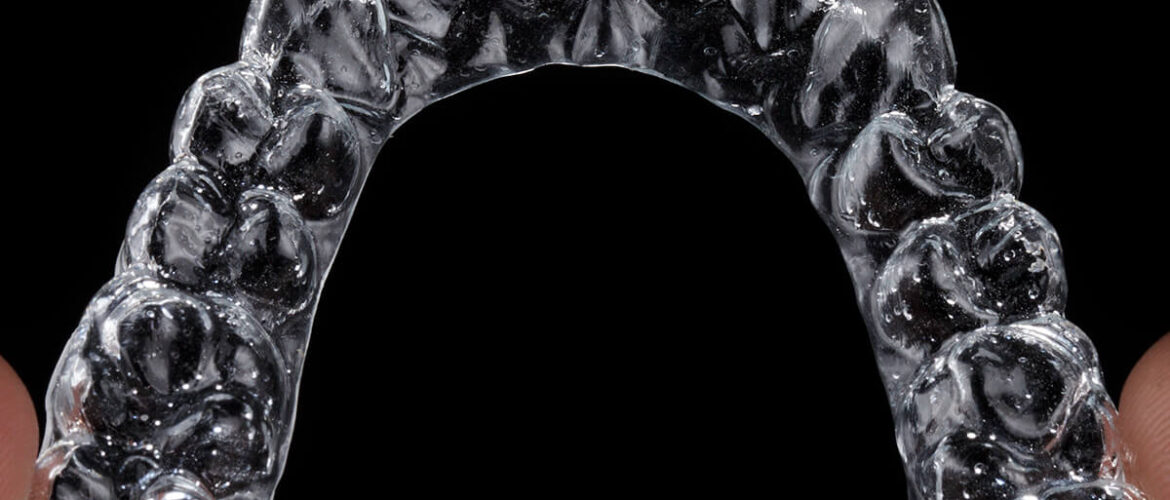
Embarking on a clear aligner journey represents a significant commitment to both oral health and daily lifestyle adjustments. Before initiating orthodontic care, individuals must navigate a myriad of clinical considerations, ranging from diagnostic predictability to daily wear discipline. Understanding the underlying mechanics of transparent aligner technology empowers patients to ask targeted, meaningful questions during their initial consultations. By carefully analyzing case suitability, timeline expectations, financial structures, and retention protocols, patients investing in Invisalign in Sarnia establish a solid foundation for a predictable and successful smile transformation.
What Should You Know Before Getting Invisalign in Sarnia?
Prospective orthodontic patients must evaluate local clinic accessibility, initial diagnostic evaluations, and clinician-guided treatment planning to ensure clear aligner therapy aligns with their functional bite requirements and lifestyle.
When individuals pursue Invisalign treatment in Sarnia, establishing a relationship with a local clinical team ensures that unexpected tray fractures or lost appliances can be addressed immediately without disrupting incremental tooth movement schedules. Local monitoring plays a pivotal role in long-term oral stability. Regular physical check-ups allow dental professionals to evaluate periodontal response and verify that root movements track accurately with digital projections. Skipping scheduled physical evaluations can lead to undetected tracking errors, lengthening overall treatment duration.
Furthermore, undergoing orthodontic care close to home allows patients to seamlessly integrate follow-up visits into their regular routines. Whether dealing with minor discomfort after switching to a new set of aligners or requiring an unscheduled check because a tray feels loose, having immediate local access eliminates logistical barriers that often derail compliance. Clinical workflows also benefit from this proximity: local dental professionals can perform routine cleanings and monitor gum tissue health concurrently with your alignment journey, ensuring that periodontal integrity is never compromised by trapped plaque or oral hygiene lapses underneath the trays.
Are Clear Aligners Appropriate for Your Specific Bite Complexity?
Clear aligner therapy effectively treats mild to moderate malocclusions, crowding, spacing, and crossbites, whereas severe skeletal discrepancies or complex vertical movements often necessitate fixed conventional orthodontic appliances.
A comprehensive clinical examination utilizing 3D digital imaging determines whether removable trays can successfully achieve the desired tooth displacement without compromising periodontal health.
| Orthodontic Modality | Primary Indication | Average Treatment Duration | Compliance Dependency |
|---|---|---|---|
| Invisalign Aligners | Mild to moderate crowding, spacing, crossbites, and minor bite corrections | 6 to 18 months | High (20–22 hours daily) |
| Traditional Braces | Complex multi-planar movements, severe skeletal discrepancies, and major rotations | 18 to 24 months | Low (Fixed appliance) |
Invisalign in Sarnia achieve success rates exceeding 90% for appropriately selected mild-to-moderate cases. However, teeth requiring significant vertical extrusion or major root torquing often require small, tooth-colored attachments bonded to the enamel to provide necessary mechanical leverage.
Patients must also understand how anatomical factors influence case selection. Bone density, root shape, and existing restorations (such as crowns or bridges) dictate how predictable tooth movement will be. While traditional metal braces apply continuous fixed tension through archwires, clear aligners rely on sequential plastic elasticity. For complex bite misalignments, such as severe skeletal overbites or multi-planar molar rotations, fixed hardware may still provide superior biomechanical control. Your initial consultation serves as the critical diagnostic gateway where these structural limitations are evaluated using advanced digital software, allowing you to preview your projected tooth movements before making any financial or clinical commitments.
How Strict is the Daily Wear Time and Treatment Timeline?
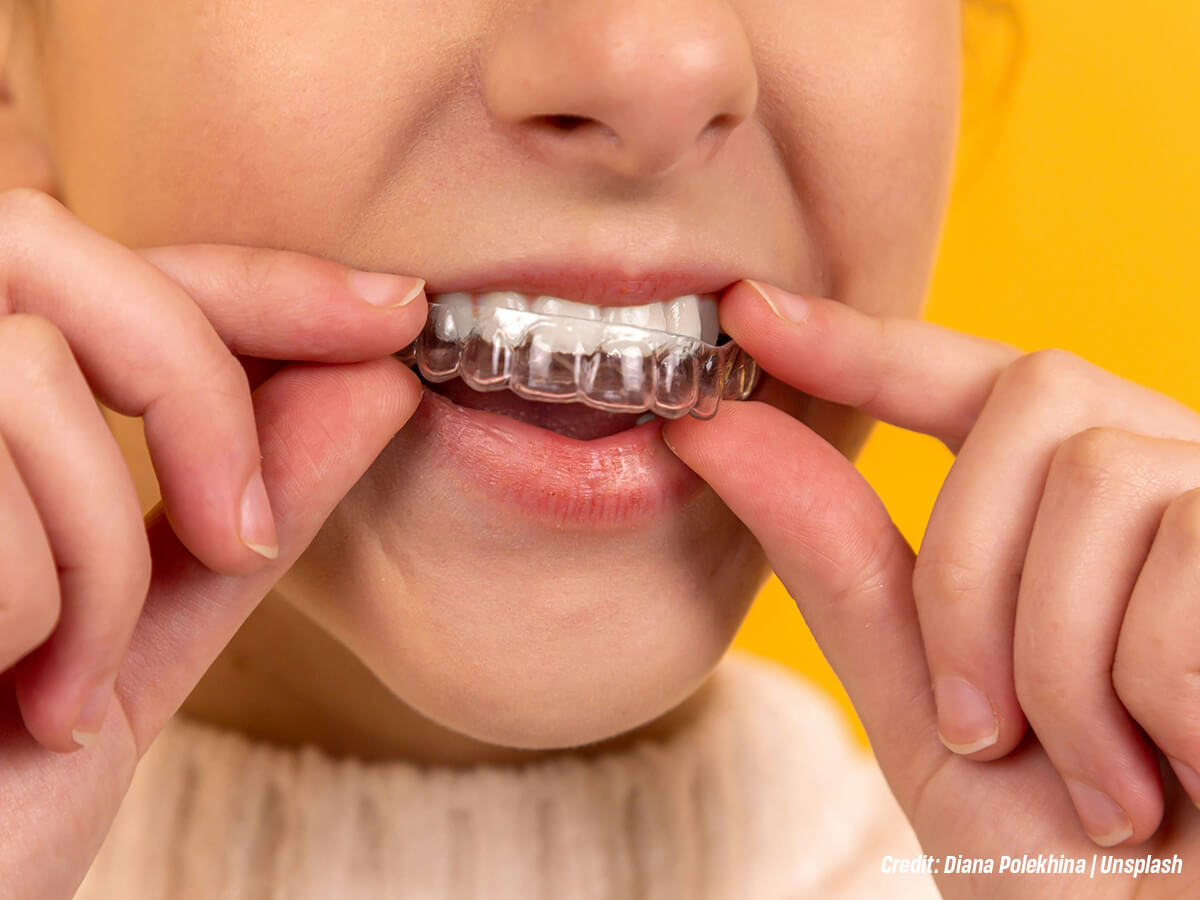
Successful treatment mandates that aligners remain in place for 20 to 22 hours per day, with total treatment durations typically ranging from 6 to 18 months depending on individual malocclusion severity.
- Wear Duration: Aligners must remain in place continuously, removed exclusively for eating, drinking anything other than cold water, and performing oral hygiene routines.
- Tray Progression: Patients typically transition to a new set of trays every 1 to 2 weeks, depending on the specific biomechanical prescription generated by the clinician.
- Refinement Phases: Approximately 10% to 15% of cases require short secondary refinement stages to achieve absolute occlusal harmony.
Failing to meet the 20-hour daily threshold results in orthodontic relapse throughout the day, forcing teeth to rebound against the previous position and causing unnecessary discomfort and delayed progress.
Maintaining this rigorous schedule requires conscious habit modification, particularly for busy professionals and students who frequently snack or sip on hot beverages throughout the day. Every time an aligner is removed, the biological forces acting on the periodontal ligament pause, allowing elastic fibers to pull teeth backward. To counteract this, disciplined wearers incorporate structured meal windows, brushing and flossing promptly before reinserting their trays.
If a patient experiences a day where wear time drops significantly, forcing the next tray in sequence can result in incomplete seating, tracking errors, or localized pressure pain. Knowing how to handle these deviations, such as staying on a current tray for an extra few days before progressing, is a key topic to discuss with your provider during your onboarding phase.
What Financial Investments and Maintenance Protocols Are Involved?
Total financial commitments encompass the initial digital diagnostic scans, custom-fabricated aligner series, and post-treatment retention devices, which can often be managed through dental insurance allocations or structured third-party financing plans.
Daily maintenance requires rigorous mechanical cleaning and plaque removal to prevent tray discoloration and maintain oral hygiene during cumulative treatment phases.
- Cleaning Standards: Aligners must be brushed gently with specialized cleaning crystals or mild antibacterial soap; standard toothpaste often contains abrasive particles that create microscopic scratches and trap bacteria.
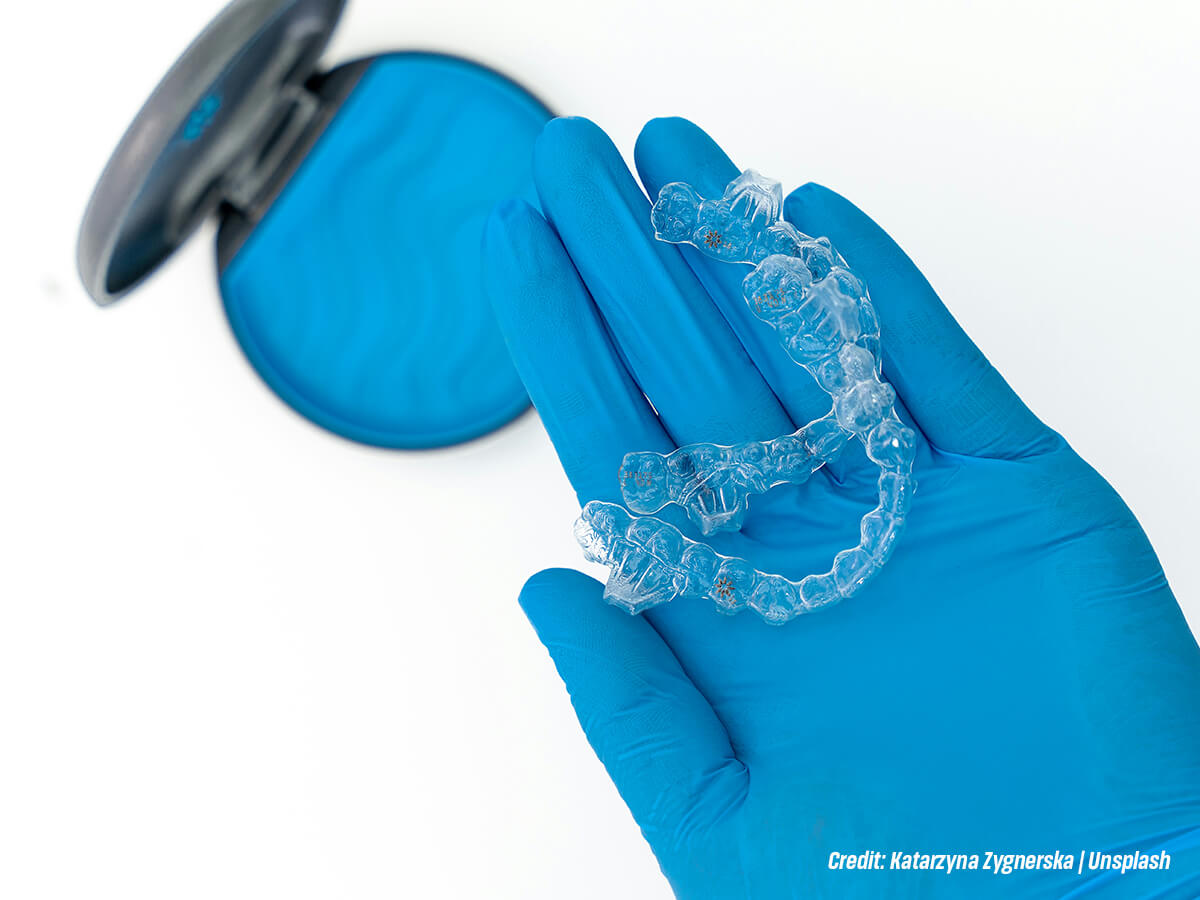
- Storage Protocols: Removable trays must always be stored in a rigid protective case during meals to prevent accidental disposal or structural warping.
- Financial Planning: Many dental insurance policies provide partial orthodontic coverage, and various local Sarnia dental clinics offer structured monthly payment plans to distribute costs over the treatment lifecycle.
Beyond the baseline cost of treatment, patients should account for potential incidental expenses, such as replacement trays in the event of loss or accidental breakage, which typically cost between 100 and 300 dollars per tray. Furthermore, integrating proper daily maintenance habits protects both your investment and your systemic health.
Since clear aligners fit snugly over the dental arches, consuming sugary or pigmented beverages while wearing trays creates an enclosed breeding ground for acid-producing bacteria, drastically elevating decay and staining risks. Utilizing approved cleaning solutions and establishing a strict post-meal hygiene routine ensures that your aligners remain transparent, odorless, and structurally sound from your very first tray to your final set of retainers.
Start Your Smile Journey Today at Lambton Family Dental
Achieving a healthy, balanced, and confident smile begins with a comprehensive consultation tailored to your unique anatomical profile and functional needs. At Lambton Family Dental, our dedicated team utilizes proper diagnostic technology and patient-centered care to guide you through every phase of your oral health journey.
Take the first step toward optimal alignment and long-term dental wellness by reaching out to our clinic today. Call us at 519-344-5747 to schedule your personalized consultation and discover how our dedicated professionals can support your smile goals.
Frequently Asked Questions
1. What happens if I lose an aligner tray during my treatment?
If an aligner tray is lost, patients should immediately contact their dental provider for guidance. Depending on how many days the lost tray was worn, the clinician may advise moving forward to the next scheduled set or temporarily reverting to the previous tray to prevent teeth from shifting backward.
2. Can I chew gum or smoke while wearing clear aligners?
Chewing gum while wearing aligners is strictly discouraged because the sticky substance adheres to the plastic and deforms the structural integrity of the tray. Smoking or vaping while wearing aligners causes rapid, irreversible staining and exposes trapped tobacco tars directly against the enamel surface, increasing decay risk.
3. Why are retainers necessary after clear aligner therapy is finished?
Teeth possess a biological memory governed by the periodontal ligament fibers, which naturally attempt to pull teeth back toward their original pre-treatment positions. Removable or fixed retainers neutralize these elastic forces, stabilizing the bone and gum tissue around the newly aligned dental arch.
4. How do dental attachments affect daily cleaning and oral hygiene routines?
Tooth-colored composite attachments bonded to the enamel can catch food particles and plaque more readily than smooth teeth, requiring patients to brush carefully around them and use floss threaders or interdental brushes to maintain gum health.
5. Will clear aligner therapy interfere with my speech or pronunciation?
Some patients experience a minor, temporary lisp for the first few days as the tongue adjusts to the presence of the plastic trays over the teeth, but normal speech patterns typically return quickly as oral tissues accommodate the change.