
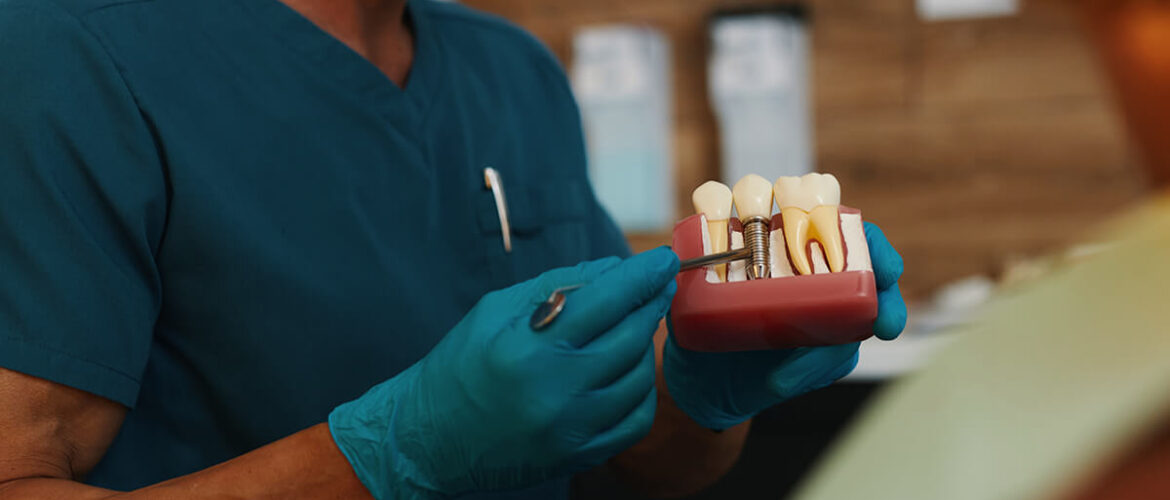
Key Takeaways:
- Your gum heals in a week or two, but the bone underneath needs three to six months.
- Healthy healing looks like steady improvement, so pain that comes back or swelling that grows is worth a call.
- A properly healed implant does not move at all, even slightly.
- Follow-up X-rays are the only way to confirm the bone has taken hold, so keep those appointments.
The strange part about implant recovery is how little of it you get to see. Your gum closes up in a week or two and looks fine, but the real work—the bone gripping onto the metal post—is happening out of sight and takes months. You end up with a mouth that looks healed and no way to confirm the part underneath is doing what it should. Normal recovery follows a pattern, and once you know that pattern, spotting a real problem with dental implants in Sarnia becomes much easier.
How Long Do Dental Implants in Sarnia Take to Heal?
Your gum heals in a couple of weeks. The bone takes months, and confusing the two is where most of the worry comes from.
- Gum Healing (roughly 1-2 weeks): Tissue closes over the site, tenderness eases, and your mouth starts to feel like your own again. That is also where the false confidence comes from.
- Bone Healing (usually 3-6 months): Bone grows around the implant until it is securely anchored and can withstand chewing. The bone in the lower jaw is thicker and denser, so it often finishes sooner than the upper jaw.
- Extra Procedures Add Time: Bone grafts and sinus lifts extend the healing time. Both need their own healing time before an implant can carry any real load. Your dentist works from what was actually done in your case.
What Should the Gums Look Like?
Of everything you can watch at home, the gums are the honest indicator—they are the only part of the site you can actually see. Look in decent light, gently pull your cheek aside, and leave it at that. No fingers, no floss, no toothpicks near the area.
- Pink, Firm, Unremarkable: After the first week or so, the tissue should look like the gum around your other teeth. If it stays red, shiny, or puffy, report it to the dentist.
- A Snug Fit Around the Healing Cap: That is the small metal piece sitting at gum level while you heal. The gum should hug it with no gap underneath, and you should not see threads showing below it.
- Swelling on the Way Down: It usually peaks around day two or three, then eases a bit more each day. Which direction it is heading matters more than how much there is.
- Nothing Draining, Nothing Foul: Pus, an odd smell, or a bad taste that does not improve with rinsing—treat that as an infection until your dentist says otherwise.
- Stitches Doing Their Job: Dissolvable ones break down on their own; the others come out at your follow-up. Either way, the edges of the gum should be closing together, not pulling apart.
Is Pain Normal Weeks After Surgery?
Yes, some. However, the pattern of the pain tells you far more than how bad it is, and this is where many people end up worrying about the wrong thing.
Soreness peaks in the first 2 or 3 days and then drops off. Most patients are off the stronger medication within a few days and get by on whatever their dentist suggested. Jaw stiffness can hang around longer than that; your mouth was held open for a while, and it is a separate thing from pain at the implant itself.
Watch out for pain that is coming back. Discomfort that returns, throbbing that spreads through the jaw, or pain waking you up well past the first week does not belong in normal healing for dental implants. Make sure to report these symptoms to your dentist immediately.

How Should the Implant Feel When You Chew?
Ideally, it should not register at all. That is the goal, though it throws some people off, because “feels like nothing” is not what most patients expect from something screwed into their jaw.
Proper healing shows up as stillness. No wiggle under a bite, no shift when your tongue pushes at it, no click. Real teeth sit in a thin cushion of tissue that gives slightly when you bite down, but an implant is fused straight to bone, so chewing feels firmer, and some people describe it as quiet.
Cold snaps generate a lot of unnecessary panic. The post itself has no nerve. Sharp cold sensitivity is nearly always coming from the tooth next door or a bit of exposed root. Separately, a loose crown or screw can make it feel like the implant is failing, and while it does need looking at soon, it is usually a fitting issue rather than a lost implant.
What Warning Signs Mean You Should Call?
Catching things early is most of the battle here. Gum inflammation around an implant tends to respond well to treatment. Once the bone starts disappearing, you are in a much harder fight, which is the whole reason for not waiting things out.
- Movement of Any Kind: Even a slight movement means it needs to be seen now. There is no stage of healing in which a moving implant is acceptable.
- Worsening Swelling After Day 3: Watch out for swelling that spreads toward your eye, your neck, or under the tongue. This warrants an urgent call or emergency care if it is severe.
- Pus, Bleeding, or a Foul Taste: These symptoms do not clear up on their own. They mean something is going on at the site.
- Gums that Bleed Weeks Later: Early inflammation around a dental implant can be reversed when it is caught soon. Ignored, it starts eating into the bone.
- Visible Metal or Receding Gums: When the gum recedes, it changes what you can actually keep clean. Get it looked at instead of watching it at home.
- Numbness or Fever: Lip or chin numbness that does not fade or a fever with general unwellness—same-day contact for either.
What Habits Protect a Healed Implant?
The healing ends; caring for the implant does not. It will never get a cavity, but the gum and bone holding it in place can absolutely be lost, and that is what ends most dental implants that fail years down the road.
- Quit Smoking and Vaping: Both cut blood flow to a site that badly needs it, and failure rates run higher for smokers. Nothing else on this list moves the needle as much.
- Ease Off Alcohol Early On: It slows healing down and does not mix well with prescribed medication. Wait until you are cleared.
- Clean Around It Every Day: Use whatever brush, floss, or small between-the-teeth cleaner your dentist recommends for your crown. Doing it consistently beats doing it perfectly.
- Bring Up Grinding If You Clench: A constant force is applied to the crown and the bone beneath it. Using a nightguard helps distribute the force.
- Do Not Skip the Follow-Ups: X-rays help confirm the bone has taken hold; you cannot feel it happening. Even if everything feels fine, keep the appointments—that is the only way to catch a problem before it costs you the implant.
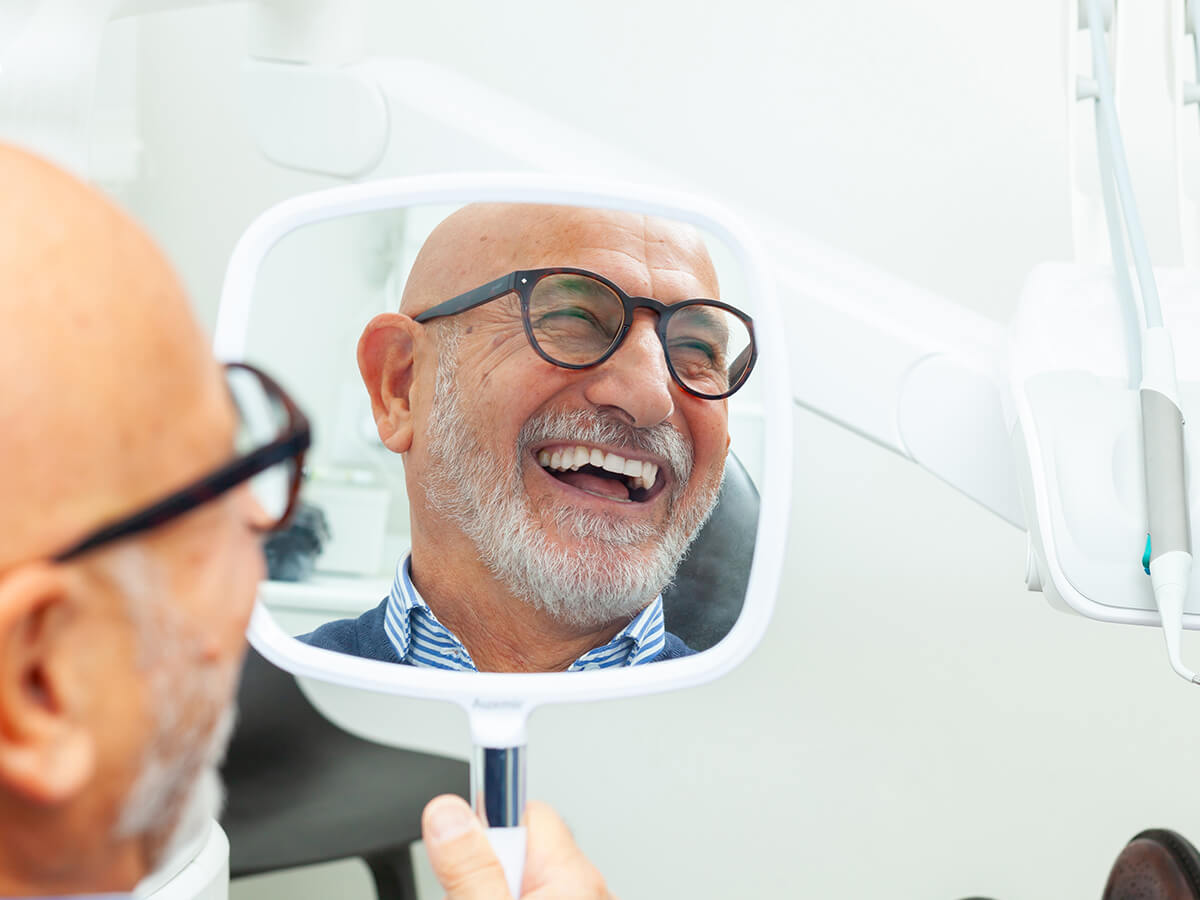
Book Your Implant Healing Check at Lambton Family Dental
Good healing is boring. Less swelling, less pain, firm pink gums, nothing budging. You are not supposed to be diagnosing yourself from a bathroom mirror, and you should not be lying awake wondering whether something is off.
Whether you are partway through recovery or still deciding about dental implants in Sarnia, Lambton Family Dental can tell you what to expect and confirm that things are on track. Call us today at 519-344-5747 or book online.