

Overview
- Natural variation in tooth colour is common and often unrelated to oral hygiene standards. The underlying dentin naturally displays a yellowish tint beneath translucent enamel.
- Enamel thinning occurs as a normal part of aging, which makes the yellow dentin more visible over time. This process does not automatically indicate active decay or disease.
- Tooth shade significance depends on whether the discolouration stems from extrinsic stains or intrinsic changes. Surface stains from food do not immediately compromise the underlying structure.
- Certain habits, such as tobacco use and frequent consumption of dark beverages, accelerate surface staining. Reducing exposure helps maintain natural enamel brightness.
- Safe whitening methods depend on individual oral conditions and enamel health. Overusing unregulated whitening products can cause heightened dental sensitivity or enamel erosion.
Yellow teeth do not always indicate poor hygiene or decay. The natural shade of a person’s teeth is determined by a combination of genetics, enamel thickness, and underlying dentin colour. While social preferences often lean toward bright white smiles, natural teeth exhibit a range of off-white and yellowish tones without compromising structural integrity or health.
Understanding what yellow teeth mean requires looking beyond surface appearance. Teeth change colour due to daily diet, routine wear, and natural biological changes over time. Distinguishing between normal shade variations and signs of dental disease ensures appropriate care and prevents unnecessary interventions.
What Causes Teeth to Turn Yellow?
Tooth discolouration develops through various mechanisms affecting different layer structures of the tooth. Physical wear, dietary habits, lifestyle choices, and biological factors all contribute to changes in enamel appearance and shade intensity over time.
- Enamel wear and aging
Outer enamel thins naturally as years pass due to daily chewing forces and acid exposure. As enamel wears down, the deeper yellow layer of dentin becomes visible through the translucent surface, causing a deeper natural tooth colour variation across the arch. - Dietary stains from food and drink
Consuming dark liquids like coffee, tea, red wine, and berries deposits chromogens onto the outer surface. These intense colour pigments bind directly to dental enamel, creating persistent extrinsic tooth stains that deepen over time without consistent surface cleaning. - Tobacco use and smoking habits
Tar and nicotine in tobacco products produce dark stains that penetrate microscopic pores in tooth enamel. Chemical compounds in tobacco rapidly turn tooth surfaces yellow or brown, creating stubborn discolouration that resists standard daily brushing routines.
- Poor oral hygiene practices
Inadequate brushing and flossing allow dental plaque and food debris to build up on surfaces. Accumulated plaque hardens into tartar, which holds a yellowish or brownish tint and attracts further surface staining along the gumline.
- Certain medical treatments and medications
Specific prescription drugs, including tetracycline antibiotics given during early childhood, permanently alter internal tooth structures. Antihistamines, high blood pressure medications, and head or neck radiation treatments can also lead to noticeable intrinsic tooth discolouration.
- Excessive fluoride exposure during development
High fluoride intake during childhood tooth development causes fluorosis, which affects enamel formation. Fluorosis can manifest as faint white lines, yellow streaks, or dark brown spots on mature tooth surfaces without necessarily weakening the tooth structure.
Tooth Shades and What They Reveal About Your Health
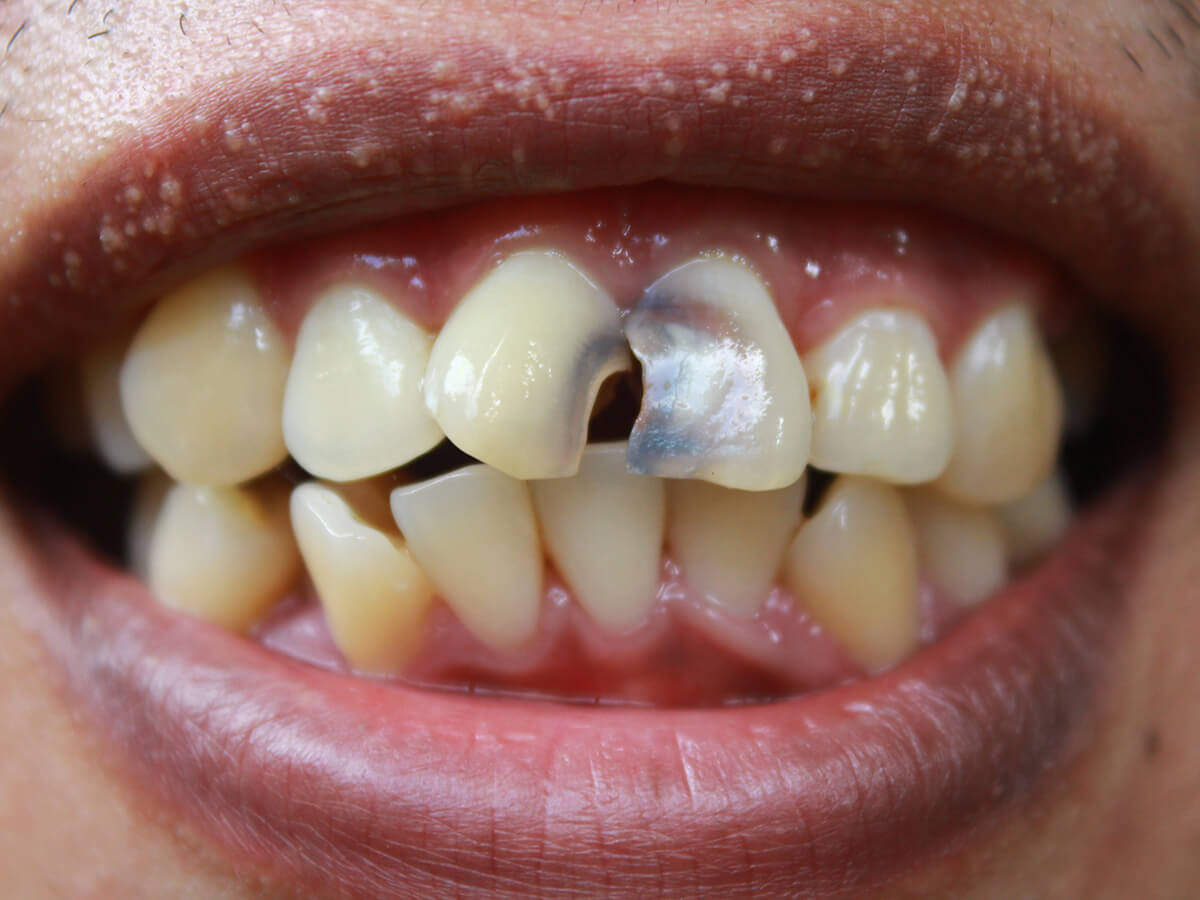
The specific shade and pattern of discolouration provide clinical insights into your oral health status. Different hues point toward specific biological processes, environmental exposures, or structural alterations within the tooth.
- Yellow and pale orange shades
A yellow tint typically reflects normal enamel thinning or superficial staining from foods and beverages. Health Canada reports that minor surface changes are common across all age groups and rarely indicate active dental disease or structural failure.
- Brown and dark spot discolouration
Dark brown spots often signal deep extrinsic staining from chronic tobacco use or heavy coffee consumption. These dark marks can also indicate localized tooth decay, root surface exposure, or tartar buildup that requires professional removal.
- Grey and blue-tinted teeth
A greyish tint frequently points to internal nerve damage caused by physical trauma or past dental injuries Grey shades can also stem from metallic dental fillings or exposure to specific medications during early stages of embryonic or childhood development.
- White spots and chalky patches
Chalky white patches indicate early enamel demineralisation, which is the initial stage of cavity formation. These distinct white areas can also result from mild developmental fluorosis, where mineral content varies across different zones of the enamel layer.
When Should You See a Dentist About Discoloured Teeth?
While many shade changes are completely benign, certain visual shifts accompany underlying health conditions. Identifying specific symptoms helps determine when a professional clinical evaluation is required.
- Sudden or single-tooth colour changes
A single tooth changing colour rapidly often indicates internal nerve necrosis or physical trauma. Prompt evaluation helps diagnose internal bleeding or nerve loss, preventing secondary complications and preserving the overall structural integrity of the affected tooth. - Discolouration accompanied by persistent pain
Tooth discolouration paired with lingering pain, pressure sensitivity, or temperature discomfort suggests deep decay or pulp infection. Professional diagnosis identifies whether root canal therapy or restorative treatment is required to resolve the infection. - Visible dark spots or pitted enamel
Dark brown or black spots that feel soft or pitted indicate active tooth decay. Early intervention for carious lesions prevents extensive structural breakdown and reduces the need for invasive restorative procedures. - Bleeding or swollen gum tissue
Yellowish discolouration along the gumline combined with red, swollen, or bleeding gums points toward advanced plaque accumulation and periodontal inflammation. Professional prophylaxis removes hardened calculus that daily home brushing cannot eliminate effectively. - Unresponsiveness to standard cleaning methods
Stains that persist despite thorough daily brushing and flossing may indicate deep intrinsic staining or calcified tartar deposits. A clinical assessment helps determine if specialized deep cleaning or targeted cosmetic options are appropriate.
How Can You Safely Brighten Yellow Teeth?
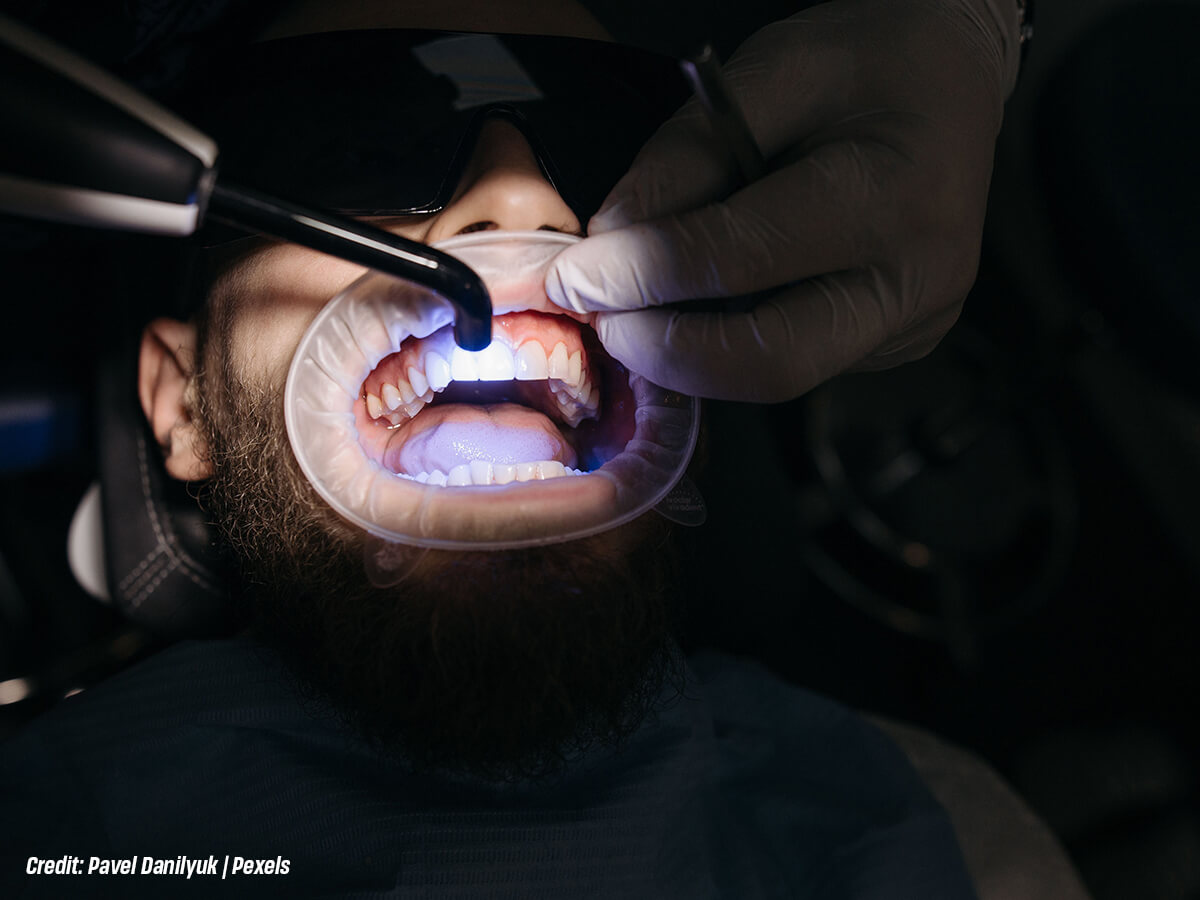
Improving the appearance of yellowed teeth requires methods that protect enamel integrity while lifting surface pigments. Safe approaches balance aesthetic goals with long-term oral health requirements.
- Maintain thorough daily oral care
Brushing twice daily with fluoride toothpaste and flossing removes surface plaque before it hardens into dark tartar. Consistent mechanical cleaning prevents new extrinsic tooth stains from settling into the microscopic pores of your dental enamel. - Schedule regular professional dental cleanings
According to statistics published by the Canadian Journal of Public Health, regular preventive dental visits significantly reduce severe oral health issues across adult populations. Hygienists use specialized instruments to safely strip away stubborn tartar and surface stains. - Choose approved whitening products wisely
Select whitening gels and strips that carry official professional approvals or clinical testing records. Using products with balanced peroxide concentrations minimizes the risk of structural enamel damage and severe postoperative tooth sensitivity. - Limit staining foods and practice dietary rinses
Reducing the frequency of dark beverage intake protects enamel from continuous pigment exposure. Swishing water immediately after drinking coffee, tea, or wine rinses away loose chromogens before they attach firmly to enamel surfaces.
Yellow teeth are a natural outcome of aging, enamel wear, and diet rather than a definitive sign of poor health. While maintaining a bright smile is a common goal, preserving structural enamel integrity and gum health remains the primary clinical objective. Regular dental checkups ensure that subtle shade shifts are monitored correctly, distinguishing harmless surface staining from conditions that require treatment.
If you have questions about your tooth shade or wish to discuss safe options for improving your smile, professional guidance is available. For personalized care and thorough oral health evaluations at Lambton Family Dental, contact us at 519-344-5747.