

Infants often suck their thumbs or fingers because they are born with a strong natural rooting reflex. This behaviour is frequently observed during prenatal ultrasounds, proving that the urge exists long before birth. For a young child, the habit serves a vital purpose by providing a sense of security and emotional regulation. It acts as a portable tool for self-soothing, helping babies drift off to sleep or remain calm during moments of stress.
Parents should feel reassured that this practice is a normal part of early development. It is an expected phase for most infants and toddlers as they interact with their environment. While the habit is healthy in the beginning, it is intended to be a temporary season of life. Most children stop on their own as they grow older and find new ways to cope with their feelings. Monitoring the habit ensures it does not persist into the years when permanent teeth begin to emerge.
Why Do Babies Suck Their Thumbs?
Most children begin infant oral habits as a way to explore their world and manage their internal emotions. Understanding the root cause of this behaviour helps parents respond with patience and proper care during these early stages of growth.
- Natural Sucking Instincts: Sucking is a primitive survival reflex that allows newborns to feed successfully. This innate sucking urge is so powerful that many babies continue to suck on their hands or fingers even when they are not hungry. It is a biological drive present from the very start.
- Emotional Self-Regulation: For a small child, the world can feel overwhelming or loud. Sucking on a thumb provides immediate comfort and helps lower stress levels. This self-soothing behaviour allows them to manage anxiety or fear without needing constant physical intervention from a parent or caregiver.
- Aiding Sleep Transitions: Many parents notice that toddler thumb sucking increases during naptime or at night. The rhythmic motion helps calm the nervous system, making it easier for the child to fall asleep. It serves as a reliable, ever-present tool that assists in transitioning into rest.
- Sensory Exploration: Babies use their mouths to learn about textures and their own bodies. Engaging in digit sucking is often just a way for an infant to pass the time and explore their physical sensations. It provides a consistent sensory input that feels familiar and safe.
- Boredom or Fatigue: When a child is tired or has nothing to do, they may default to this habit. It fills a gap in activity and provides a gentle stimulation. Recognizing these behavioural sucking triggers can help parents identify when a child might need a nap instead.
How Thumbsucking Affects Dental Health
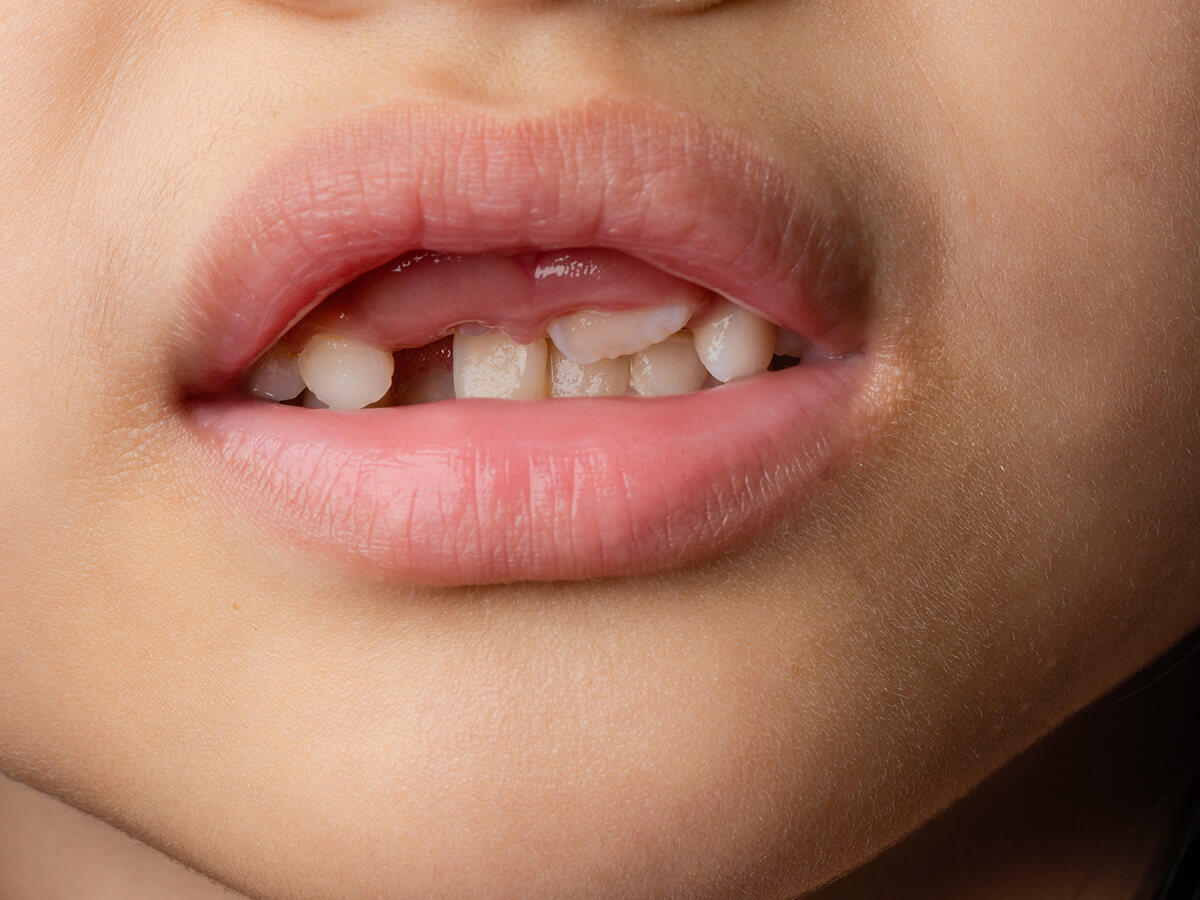
While the habit is harmless for infants, the Canadian Dental Association notes that persistent sucking can eventually alter the shape of the mouth. The pressure applied by the digit influences how the jaw grows and how the teeth align over time.
- Malocclusion of Teeth: Constant pressure from a thumb can push the upper front teeth forward. This results in dental malocclusion, where the top and bottom teeth do not meet properly. If the habit continues past age four, the risk of developing a significant overbite increases.
- Changes to the Palate: The roof of the mouth is soft and pliable during early childhood. Heavy sucking can cause the palate to become narrow or arched. An altered palate shape can lead to long-term issues with how the upper and lower jaws fit together.
- Open Bite Development: An open bite occurs when the front teeth do not touch even when the mouth is closed. This orthodontic thumb sucking side effect happens because the thumb physically blocks the teeth from erupting fully. It often requires professional intervention to correct the alignment.
- Speech Impediments: Since teeth and the palate play a role in sound production, dental shifts can affect speech. A child might develop a lisp or struggle with certain consonants. These speech-related dental issues are often linked to the way the tongue rests against the teeth.
- Root and Bone Sensitivity: In extreme cases, the constant force can affect the roots of the primary teeth. While baby teeth eventually fall out, the health of the underlying bone is crucial. Protecting the developing jaw structure is essential for the health of future permanent teeth.
Subtle Signs It’s Becoming a Problem and When to Call a Professional
Most experts suggest that most children stop sucking their thumbs between ages 2 and 4. However, certain red flags indicate that the habit might require a more structured approach to cessation.
- Aggressive Sucking Intensity: Not all sucking is the same; some children rest the thumb loosely while others suck vigorously. If you hear a loud popping sound when the thumb is removed, the high-intensity sucking is more likely to cause immediate and lasting dental damage.
- Persistent Habit After Age Four: Most dental professionals recommend intervention if the habit lasts beyond the fourth birthday. At this stage, the permanent tooth eruption is approaching. Stopping the habit early prevents the need for more complex and expensive orthodontic work in the future.
- Difficulty with Certain Words: Listen to how your child speaks during daily conversation. If you notice a persistent lisp or an inability to pronounce “s” or “t” sounds, consult a dentist. These speech delays from sucking are often a sign of structural dental changes.
- Visible Gaps in Teeth: If you can see a visible space between the top and bottom teeth when the mouth is shut, the habit is affecting alignment. This visible dental gap is a clear indicator that the pressure is moving the teeth out of position.
- Call for Professional Assessment: If you feel unsure or frustrated, a pediatric dentist can provide a neutral perspective. They offer professional dental screenings to check jaw alignment. A dentist can also talk directly to the child, which often carries more weight than parental reminders.

The journey from a natural infant reflex to a childhood habit requires a balanced approach. Most children will naturally grow out of the need for this type of comfort as they gain better communication skills and more social confidence. By remaining observant and keeping regular dental appointments, you can ensure that your child’s smile remains healthy and properly aligned. Focus on positive reinforcement rather than punishment to help them transition away from the habit when the time is right.
If you have concerns about your child’s dental development or need advice on how to gently discourage the habit, professional support is available. A quick check-up can provide peace of mind and a clear plan for the future. For personalized care and expert guidance on pediatric oral health, reach out to the team at Lambton Family Dental, contact at 519-344-5747.