
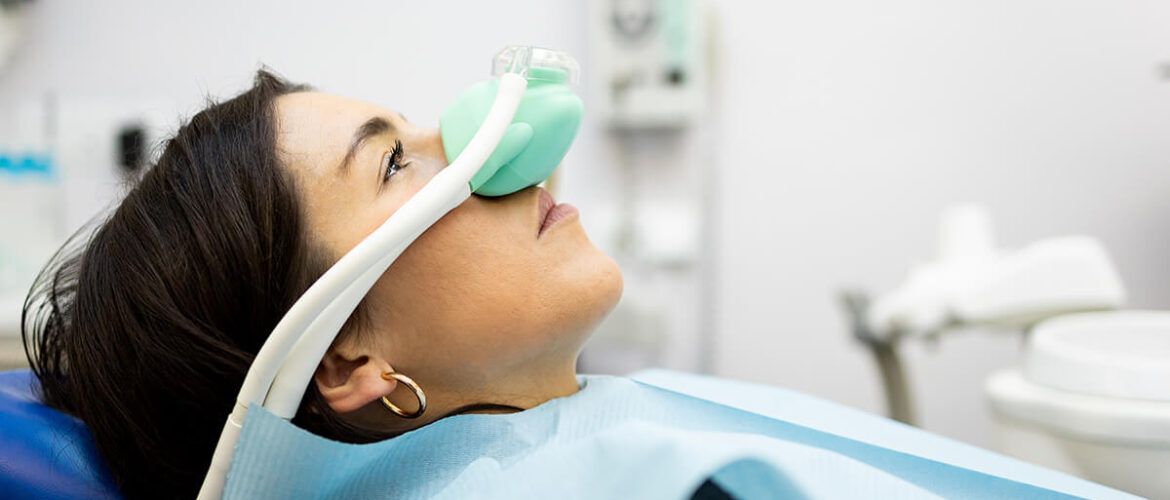
Choosing sleep sedation in Sarnia is a fantastic way to handle dental anxiety or long procedures with total comfort. This modern approach lets you drift through your appointment without any stress or physical discomfort. While the treatment itself is a breeze, the way you manage your time at home determines how quickly you feel like yourself again. By following a structured aftercare plan, you can protect your oral health and ensure the sedation wears off without any complications.
The Impact of Sleep Sedation on Your Body
The medications used in sleep sedation stay in your system much longer than the time you spend in the dental chair. It is helpful to know how your body processes these agents so you can stay safe and relaxed during the first 24 hours.
- Metabolic Processing
Your liver and kidneys work steadily to clear the sedative drugs from your bloodstream after the appointment ends. This natural process takes time and is the reason why you might feel “foggy” or lightheaded for several hours. Giving your body grace during this window ensures that you do not overexert yourself too early.
- Sensory Changes
It is common to experience temporary changes in your sense of balance or depth perception as the sedation from sleep wears off. These physical effects can make simple tasks like walking upstairs or reaching for a glass feel much more difficult than usual. Moving slowly and staying seated helps prevent accidental trips or falls while your coordination returns.
- Cognitive Delay
The lingering effects of the medication can slow down your reaction times and cloud your decision-making abilities for the rest of the day. Even if you feel awake, your brain is still recovering from the deep relaxation state induced by the drugs. Avoiding complex tasks or important conversations is the best way to handle this temporary mental “haze.”
Essential Preparation Before You Leave the Office
A successful recovery begins the moment your procedure ends and before you even step foot outside the clinic. Taking the right steps in the recovery room ensures that you have all the tools and knowledge needed for a smooth transition home.
- Designated Driver Protocol
You must have a responsible adult present to drive you home and stay with you for a few hours. Since sleep sedation impairs your motor skills, it is illegal and dangerous to operate a vehicle yourself. Having a helper ensures you get from the office to your bed without any safety risks.
- Post-Operative Instructions
Our team will provide a printed list of care steps that detail exactly how to look after your mouth. It is important to review these while your companion is present so they can help you remember the details later. These written guides serve as your roadmap for managing discomfort and hygiene during the first night.
- Gauze and Initial CareIf your procedure involved surgery, we will place gauze to help control any minor bleeding before you leave. This initial pressure is vital for starting the clotting process and protecting the surgical site. We will show your driver how to change the gauze if needed, so you can rest undisturbed.
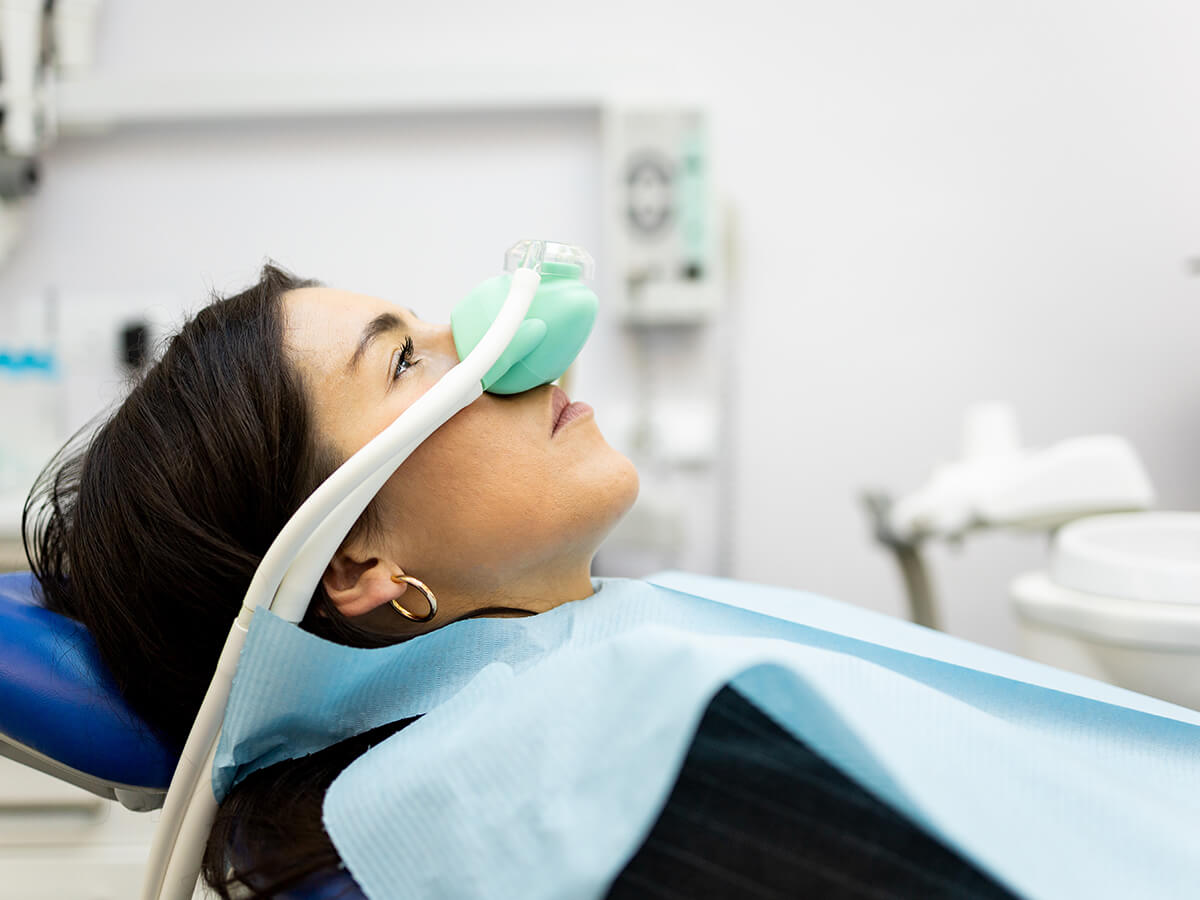
9 Vital Tips for a Faster Post-Sedation Recovery
Following a specific routine after sleep sedation helps your body focus all its energy on healing. These nine strategies are designed to minimize discomfort and help you get back to your normal life in Sarnia as quickly as possible.
- Prioritize the 24-Hour Rest Rule
Your primary job for the first day is to lounge on the couch or stay in bed. Avoid any housework, heavy lifting, or chores that require physical effort or mental focus. Total physical stillness helps keep your heart rate low, reducing the risk of swelling or bleeding.
- Manage Hydration Strategically
Drink plenty of water to help your body flush out the lingering sleep sedation medications. Take small, frequent sips rather than gulping large amounts of liquid at once to avoid an upset stomach. Never use a straw, as the sucking motion can dislodge healing blood clots in your gums.
- The Soft Food Protocol
Stick to soft, lukewarm or cold foods like yogurt, applesauce, or mashed potatoes on the first day. These foods do not require heavy chewing, which protects the areas where the dentist worked. Avoid anything hot, spicy, or crunchy that could irritate your sensitive mouth tissues.
- Optimize Your Sleeping Elevation
Prop your head up with two or three pillows when you lie down to sleep or rest. Keeping your head higher than your heart helps fluid drain away from the surgical site. This simple position significantly reduces throbbing and prevents excessive facial swelling the next morning.
- Precision Pain Management
Take any prescribed or recommended pain relief exactly on the schedule we provide. It is much easier to keep pain away than it is to stop it once it has become intense. Staying ahead of the discomfort ensures you can sleep soundly and stay relaxed.
- Temperature Therapy
Apply a cold compress or an ice pack to the outside of your cheek for 20 minutes at a time. This should be done frequently during the first 24 hours to minimize inflammation and bruising. After the first day, you can switch to warm compresses to help soothe any stiff jaw muscles.
- Gentle Oral Hygiene
Do not brush the surgical area directly or use mouthwash for at least 24 hours after your sleep sedation. You can gently brush your other teeth, but be very careful not to spit forcefully. Use a light salt-water rinse the next day to keep the area clean without causing irritation.
- Avoid Stimulants and Alcohol
Stay away from coffee, energy drinks, and alcohol for at least two full days after your procedure. These substances can interfere with how your body processes sleep sedation and may thin your blood. Keeping your system “clean” allows your natural healing mechanisms to work at full speed.
- Monitor Your Activity Levels
Wait at least 48 hours before returning to the gym or performing any strenuous exercise. High-intensity movement increases blood flow, which can lead to increased pain or renewed bleeding at the treatment site. Gradually reintroduce light walking before jumping back into your full fitness routine.
Nutritional Support for Tissue Repair
What you eat plays a major role in how quickly your gums and bone tissue heal. Using the right nutrients helps your immune system stay strong while you recover from the effects of sleep sedation.
- Vitamin-Rich Recovery Foods
Incorporating foods high in Vitamin C, such as blended fruit smoothies, can speed up collagen production. Collagen is a vital protein that helps your body repair the soft tissues in your mouth. Getting enough protein through meal-replacement shakes also provides the building blocks for cell regeneration.
- Irritant Avoidance
Sharp foods like chips or seeds can physically scratch the healing areas, leading to painful infections. Acidic drinks like orange juice or soda can sting the gums and break down the delicate new tissue. Sticking to mild, bland options helps keep your mouth calm and comfortable during the healing phase.
- Probiotic Maintenance
If you were prescribed antibiotics, eating yogurt with active cultures can help keep your digestive system balanced. Antibiotics are great for preventing infection, but they can sometimes upset your stomach. Probiotics ensure that you feel physically well while your mouth continues to mend.
Identifying Red Flags: When to Contact Your Dentist
While most patients in Sarnia recover from sleep sedation without issues, it is important to know when a symptom is abnormal. Being proactive about your health allows you to address small concerns before they become bigger problems.
- Abnormal Bleeding
It is normal to see a small amount of pink “oozing” for the first day, but heavy, bright red blood is a concern. If you cannot stop the bleeding by biting down on fresh gauze for 30 minutes, call your dentist. We can provide further instructions or see you in the office to ensure everything is sealed correctly.
- Fever and Infection Signs
A slight increase in body temperature is common, but a high fever or chills could indicate an infection. Watch for unusual smells, a persistent bad taste, or pus around the work area. Catching an infection early with the right medication will keep your recovery on the right track.
- Worsening Pain Levels
Pain should generally peak around the second day and then slowly fade. If you find that your discomfort is worsening significantly after the third day, it may be a sign of a “dry socket” or another issue. We want you to be comfortable, so never hesitate to reach out if your pain meds aren’t working.

Experience Dental Care at Lambton Family Dental
Our team is dedicated to providing safe sleep sedation in Sarnia options tailored to your specific needs. If you have been putting off dental work due to fear or a busy schedule, let us help you achieve your goals in a relaxing environment.
Call Lambton Family Dental today at 519-344-5747 to schedule your consultation and learn more about how our sedation services can transform your next visit!