
Key Takeaways:
- Teen aligner plans adjust for active jaw growth while adult plans work with fully developed bone structures.
- Built-in compliance indicators and eruption tabs help teenagers stay on track throughout treatment.
- Daily aligner routines differ between high school schedules for teens and workplace environments for adults.
- Consistent nightly retainer wear is essential for both age groups to preserve long-term results.
Clear aligner treatment has transformed how individuals straighten their teeth. Modern orthodontic solutions allow patients to adjust their smiles without traditional metal brackets or wires. However, treating a teenager who is still growing differs from treating an adult with a fully developed mouth. Both age groups use Invisalign in Sarnia to move teeth into the proper position over time. Understanding these differences helps families choose the right approach for their orthodontic care.
Clear aligners offer a discreet way to improve dental health and overall confidence. Patients across Sarnia depend on custom alignment plans tailored to their needs. Age plays a major role in how these custom plans are designed and managed. Evaluating biological differences and daily routines reveals why the clear aligner journey varies across life stages. Getting Invisalign begins with understanding these unique age-based factors.
What Makes Invisalign in Sarnia Unique for Teens vs. Adults?
Teens and adults bring different physiological needs to their orthodontic care. While the clear trays look almost identical, the underlying strategy accounts for natural growth patterns and jaw density. Dental professionals tailor each plan to suit these physical conditions.
Dental development is the largest biological difference between teenagers and adults. Teenagers have jawbones that are still forming and expanding. Their second molars may still be coming through the gumline. Clear aligner software plans for this ongoing movement, guiding teeth as the mouth matures naturally. Adults have fully dense jawbones that are completely set. Moving adult teeth requires steady pressure because the bone structure is fixed.
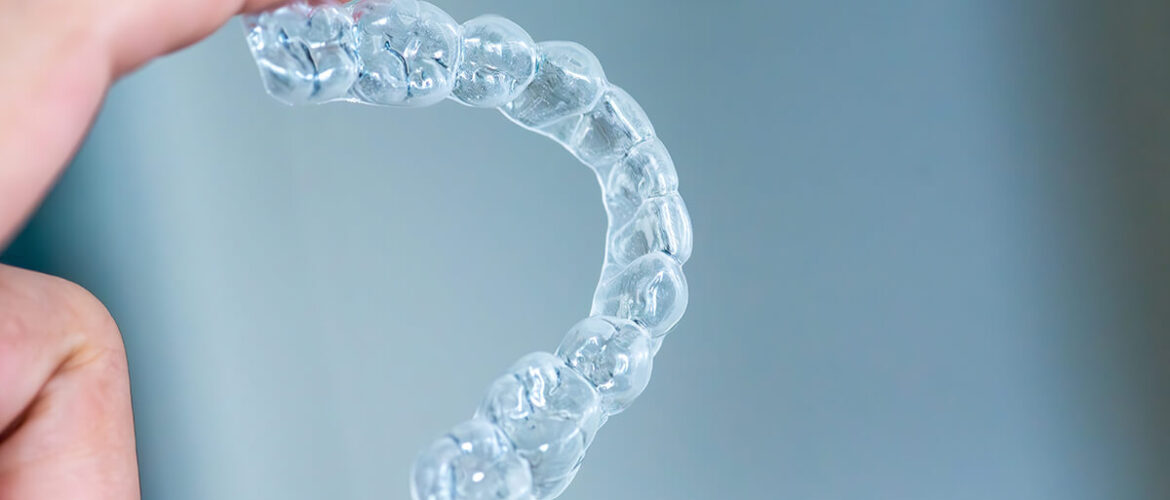
Feature differences also exist within the Invisalign system itself. Special aligner lines designed for younger wearers include built-in features to aid success:
- Compliance Dots: Small blue indicators on the back of the tray fade as the aligners are worn, showing if the required 20 to 22 hours of daily wear are met.
- Eruption Tabs: Space is left open inside the tray to allow new adult teeth to grow into place properly without crowding.
- Extra Replacement Trays: Treatment plans often include backup aligners in case a tray is misplaced during school activities.
Local life in Sarnia presents different daily routines for each group. Teenagers handle busy schedules filled with physical education classes and local sports teams. Adults manage packed work shifts, continuous meetings, and daily travel routines. Knowing these distinct life demands helps patients prepare for treatment.
How Does Daily Life with Aligners Differ by Age?
Living with removable aligners requires incorporating new habits into existing daily routines. School settings, workplaces, and social gatherings present different scenarios for keeping trays clean and safe. Managing these daily settings affects how easily patients adjust to treatment.
Social settings create different situations for teenagers and working adults. Teenagers must navigate school cafeterias, brief lunch windows, and group activities. Removing aligners at school requires careful planning and storage to prevent loss. Adults face business lunches, office coffee breaks, and public speaking duties. They must feel comfortable taking trays out in front of colleagues and speaking clearly during work calls.
Compliance requires steady personal responsibility regardless of age. Teenagers must build strong habits without constant parental supervision during school hours. Placing trays in protective cases instead of wrapping them in lunch napkins prevents accidental loss. Adults must resist the urge to leave trays out during long social meals or busy work shifts. Missing the daily wear window can slow down physical tooth movement.
Invisalign oral hygiene routines require careful attention after every meal or snack. Food particles trapped in clear trays can cause tooth decay or staining. Teenagers must carry travel toothbrushes to clean their teeth after eating school lunches. Adults need similar kits for office restrooms or vehicle storage. Keeping teeth clean before reinserting trays ensures optimal oral health throughout treatment.
Is the Treatment Duration the Same for Both?
Treatment length varies depending on how far teeth need to move and how consistently trays are worn. Most aligner plans last between 12 and 18 months, though simple alignment shifts can take less time. Age influences how quickly teeth respond to orthodontic pressure.
Biological response time differs between young patients and older adults. Teenagers have active bone metabolism, allowing their bone tissue to reshape slightly faster around moving roots. Adult bone tissue is denser, meaning teeth shift at a steady, measured pace. Consistent daily wear helps adults achieve predictable progress, while gaps in wear time can extend treatment schedules.
Several factors affect overall treatment speed across both age groups:
- Daily Wear Time: Wearing trays for 20 to 22 hours each day helps keep treatment on schedule.
- Case Complexity: Addressing minor crowding takes less time than fixing severe bite issues or rotated teeth.
- Dental History: Previous dental work, such as crowns, bridges, or prior tooth loss, can affect adult movement plans.
How Do Results and Retention Compare Long-Term?
Achieving a straight smile is a shared goal for both age groups. Once active alignment finishes, the long-term focus turns to maintaining those results over time. Retention habits determine whether a new smile remains stable for decades.
Post-treatment alignment improves function and oral health for both teens and adults. Properly aligned teeth are easier to brush and floss, which reduces the risk of gum issues over time. Straight teeth also distribute bite pressure evenly, protecting enamel from unnatural wear and tear.
Retainers are essential for preserving these improvements long after active treatment ends. Teeth naturally try to shift back toward their original positions over time. Teenagers need retainers to keep their teeth stable while their facial bones continue to grow. Adults need retainers to prevent natural age-related shifting and tooth movement.
Long-term success relies entirely on following post-treatment guidance. Wearing custom retainers every night protects the time and effort spent during active care. Consistent retainer use ensures that both teenagers and adults enjoy their straight smiles permanently.
Start Your Family’s Smile Journey with Invisalign in Sarnia at Lambton Family Dental
Deciding on the right orthodontic solution involves evaluating personal lifestyle needs, daily routines, and oral health goals. While teenagers and adults follow slightly different paths during care, both can reach a healthier, straight smile through personalized clear aligner treatment. Working with a dedicated local dental team ensures that every stage of care is closely monitored for safe, lasting results.
Lambton Family Dental provides individual aligner treatment plans tailored to patients of all ages throughout the community. Whether you are helping your teenager navigate their growing smile or looking to discreetly adjust your own teeth, clear aligners offer a convenient solution. Call us today at 519-344-5747 or visit our clinic for a personalized Invisalign consultation in Sarnia.
Frequently Asked Questions
1. Are clear aligner trays safe to wear while playing contact sports?
Yes, aligners can be worn during physical activity, though a standard sports mouthguard should temporarily replace them during full-contact games to shield your teeth from impact.
2. What should you do if an aligner tray breaks or gets lost at school or work?
Contact your dental team immediately to determine whether you should pop in your previous set or move ahead to the next stage in your series.
3. Do clear aligners affect your speech or create a temporary lisp?
Some patients experience a minor lisp for the first few days, but your tongue quickly adapts within a week of regular wear.
4. How do you clean aligner trays to keep them clear and odor-free?
Rinse your trays with lukewarm water and gently brush them using a soft-bristled toothbrush without toothpaste to prevent micro-scratches.