
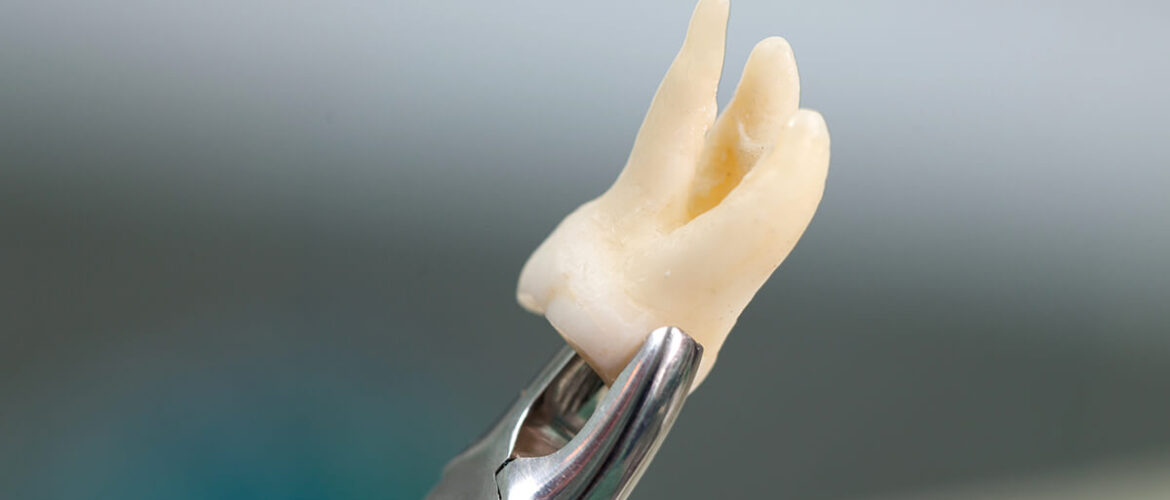
For many Ontario residents, the arrival of third molars marks a significant shift in dental health that requires professional attention. If you are experiencing persistent discomfort or shifting teeth, it may be time to schedule a wisdom tooth extraction in Sarnia to protect your long-term oral health and prevent further complications.
At a Glance: 9 Signs You Need an Extraction
Determining whether your third molars are healthy or problematic requires a close look at several physical indicators. Understanding these common symptoms can help you decide when to seek a professional consultation before minor issues turn into major dental emergencies.
- Persistent Posterior Jaw Pain: Discomfort at the very back of the jaw is often the first indicator that these molars are struggling to emerge. This dull ache can radiate toward the ears or temples as the teeth press against sensitive nerves. Professional intervention is usually necessary to stop the pain from becoming a constant daily distraction.
- Visible Gum Inflammation or Redness: Gums that appear swollen, dark red, or puffy around the back molars often signal that a tooth is trapped or partially erupted. Gum disease is frequently caused by bacteria becoming trapped beneath the gum flap, where a toothbrush cannot reach. Left untreated, this swelling can lead to painful infections that spread throughout the mouth.
- Difficulty Opening the Mouth or Swallowing: When wisdom teeth become impacted, they can cause significant stiffness in the jaw muscles and joints. This restriction makes it hard to chew food properly or even speak clearly without experiencing sharp jolts of pain. If you find your range of motion is limited, it is a clear sign that the teeth are causing structural pressure.
- Recurring Sinus Pressure and Congestion: The roots of upper wisdom teeth grow very close to the sinus cavities and can exert pressure on these sensitive areas. You might experience frequent sinus headaches, congestion, or a feeling of facial fullness that does not go away with allergy medication. Removing the teeth often provides immediate relief from these specific respiratory-like symptoms.
- Overcrowding and Shifting of Front Teeth: A common issue is the “domino effect,” where the force of emerging third molars pushes all other teeth forward. This pressure can cause previously straight teeth to overlap, rotate, or become crooked in a very short amount of time. Protecting the investment you made in braces or previous orthodontic work often requires an extraction.
- Development of Cysts Around the Jawbone: Sometimes, a sac of fluid forms around the new tooth, which can lead to a cyst that damages the jawbone and surrounding roots. These cysts can hollow out the bone and cause permanent damage if not identified on dental imaging. Early wisdom tooth extraction is the primary way to resolve these growths and preserve bone density.
- Chronic Bad Breath or Unpleasant Taste: Partially erupted teeth create a perfect environment for food particles and bacteria to hide and decay. This often results in a persistent foul taste in the mouth or breath that does not improve with brushing or mouthwash. These signs usually point to an active infection that requires immediate clinical cleaning and tooth removal.
- Formation of Cavities in Hard-to-Reach Areas: Because wisdom teeth are located so far back, they are notoriously difficult to clean with standard floss or a toothbrush. This lack of hygiene leads to rapid tooth decay on the wisdom tooth itself or the neighbouring healthy molar. Once a cavity forms in this area, extraction is often more practical than attempting a complex filling.
- Repeated Pericoronitis: This specific type of infection occurs when the gum tissue surrounding a partially emerged tooth becomes chronically infected. It causes significant pain, a bad smell, and sometimes visible pus near the back of the throat. If this condition happens more than once, it is a definitive sign that the tooth will never properly align.

Deep Dive: Understanding the 9 Indicators
Every patient has a unique experience with their third molars, but the biological reasons for removal are usually consistent. By looking closer at how these teeth interact with your anatomy, you can better understand the necessity of a surgical solution.
- The Impaction Factor: Impaction happens when there is simply no room in the jaw for the tooth to move into its proper place. The tooth may grow at an angle, horizontally, or remain completely buried under the bone. This internal pressure is the root cause of the most severe dental pain reported by young adults.
- The Sinus Connection: Many patients are surprised to learn that their “sinusitis” is actually caused by the roots of their upper molars. As roots grow, they can rub against or even penetrate the sinus lining, leading to irritation and fluid buildup. Relieving this pressure through surgery often clears up long-standing nasal and facial discomfort.
- Alignment Preservation: Even if you never had braces, your natural bite is a delicate balance that wisdom teeth can easily disrupt. The constant forward pressure can change how your upper and lower teeth meet, leading to jaw joint issues. Maintaining a healthy bite often means removing the source of this unwanted physical force.
- Hygiene and Decay Prevention: The location of the third molar makes it a “blind spot” for most people during their nightly routine. Bacteria thrive in these dark, moist corners where oxygen cannot reach, leading to rapid enamel erosion. Preventing decay in the rest of your mouth often starts with removing these unreachable bacterial traps.
The Dangers of Procrastination
Waiting too long to address problematic wisdom teeth can lead to permanent damage that is much harder to fix later in life. It is important to act while the roots are not yet fully formed and the jawbone is more flexible.
- Neighbouring Root Damage: A wisdom tooth growing at an angle can literally “eat” into the roots of the healthy second molar next to it. This can lead to the loss of both teeth rather than just the one causing the initial problem. Saving your healthy chewing molars requires removing the wisdom tooth before it makes contact.
- Mandibular Nerve Risks: As we age, the roots of the lower wisdom teeth grow longer and closer to the main nerve that provides feeling to the chin and lip. If you wait until you are older, the surgery becomes riskier because the roots may be wrapped around this nerve. Early removal significantly lowers the chance of permanent numbness or tingling after the procedure.
- Systemic Health Connections: Oral infections do not stay in the mouth; the bacteria can enter the bloodstream and affect the heart or kidneys. Chronic inflammation in the gums has been linked to several long-term health issues throughout the body. Keeping your mouth free of infection is a vital part of maintaining your overall physical wellness.
Essential Tips for a Smooth Extraction Experience
Preparing for your surgery and following the right aftercare steps will ensure that you heal quickly and without complications. These simple strategies help manage pain and prevent common issues like infection or dry socket.
- Arranging Transportation Support: Patients receiving sedation cannot safely operate a motor vehicle for at least twenty-four hours after their procedure. It is best to have a trusted friend or family member stay with you until the medication wears off. This ensures you get home safely and have help during the initial hours of your recovery.
- Soft Food Stockpile: You will need to avoid chewing on the extraction sites, so having soft, cool foods ready is very helpful. Items like lukewarm soup, Greek yogurt, and smooth applesauce provide nutrition without irritating the surgical wounds. Staying hydrated with water and electrolyte drinks will also help your body recover much faster.
- Ice Pack Management: Applying cold pressure to the outside of your jaw is the best way to keep swelling under control. You should use the ice for twenty minutes on and twenty minutes off during the first day. This simple step reduces inflammation and numbs the area, making the recovery much more comfortable.
- The No-Straw Policy: Sucking through a straw creates a vacuum in the mouth that can dislodge the healing blood clot. If this clot is lost, you may develop a very painful condition known as dry socket. It is essential to sip directly from a cup and avoid any vigorous rinsing or spitting.
- Smoking and Tobacco Cessation: Using tobacco products slows down the blood flow and introduces toxins that prevent the gums from healing properly. The physical act of inhaling also poses a risk to the stability of the surgical site. Giving up smoking for at least a week will greatly improve your chances of a smooth recovery.
- Elevated Sleeping Position: Keeping your head elevated with extra pillows during the first few nights reduces blood pressure in the head area. This helps to minimize throbbing and keeps the swelling from peaking too high in the morning. A more upright position also makes it easier to breathe and swallow comfortably while you heal.
- Prescription Adherence: Your dentist will likely provide a regimen of pain relievers or antibiotics to prevent infection and manage discomfort. It is important to take these exactly as scheduled rather than waiting for the pain to become severe. Consistent medication levels keep you ahead of the discomfort and support the body’s natural healing process.
- Salt Water Rinses: After the first twenty-four hours, gently bathing the area with warm salt water helps keep the site clean of food debris. You should not swish aggressively, but rather let the water roll around and fall out of your mouth into the sink. This natural disinfectant keeps bacteria levels low without the harshness of alcohol-based mouthwashes.
- Gradual Activity Return: While you might feel better after a day or two, you should avoid heavy lifting or intense exercise for several days. Increasing your heart rate too soon can cause the extraction sites to start bleeding again. Listening to your body and taking it slow will get you back to your normal routine sooner.
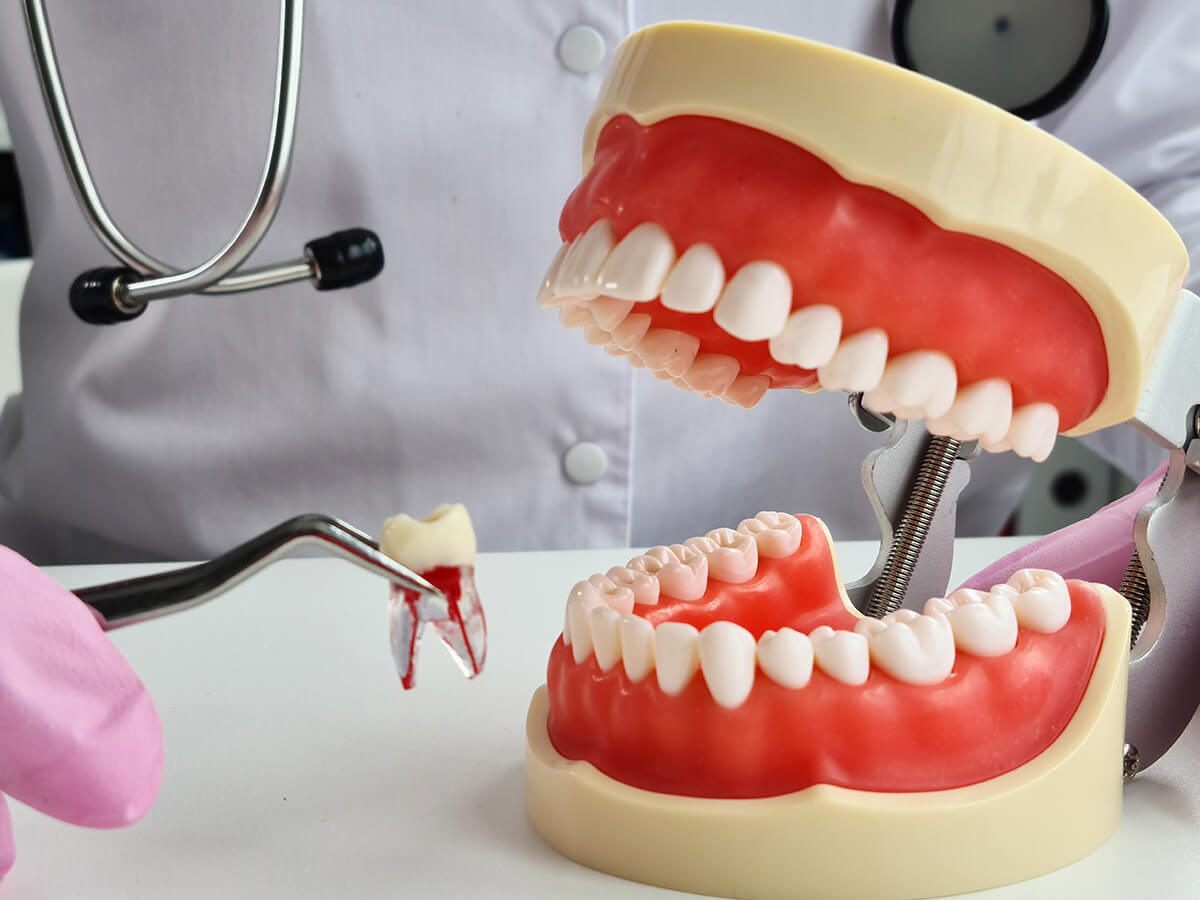
Trust Your Smile to Lambton Family Dental
We are committed to providing the highest level of care for every patient who walks through our doors. At Lambton Family Dental, we can help you with wisdom tooth extraction in Sarnia. If you are experiencing jaw pain or think your teeth are shifting, call us today at 519-344-5747 to book your consultation. We look forward to helping you achieve a healthy, pain-free smile.