

Invisalign treatment in Sarnia offers a modern alternative to traditional braces, allowing teeth to move gradually without the discomfort of metal wires. Understanding how to track your progress can help you stay motivated and ensure your treatment is effective. By paying attention to specific signs, you can confirm that your teeth are shifting as planned and make adjustments if needed.
1. Teeth Are Gradually Shifting
The first and most obvious sign that Invisalign is working is movement of your teeth. This may start subtly, but over weeks, you’ll notice your teeth aligning more evenly. Taking regular photos every few weeks helps you track these changes and provides a visual record of progress.
- Slight gaps between teeth may begin to close naturally as the aligners apply gentle pressure.
- Overlapping or crooked teeth gradually move into place, creating a straighter appearance.
- You might notice subtle changes in how your teeth meet, which is a good indicator of progress.
- Patients often report a sense of movement or pressure when biting, confirming that the aligners are actively working.
2. Aligners Fit Differently Over Time
Each new set of aligners is custom-made to move your teeth incrementally. As your teeth shift, the fit of the aligners changes slightly. If the aligners feel snugger or “snap” into place more easily than before, it shows your treatment is on track.
- Aligners should fit snugly over teeth without forcing them into place.
- Any initial discomfort typically fades within a few days, reflecting gradual movement.
- Tracking how each set fits compared to the previous one can help you notice changes you might miss otherwise.
- A consistent fit over time also indicates you’re wearing your aligners the recommended 20–22 hours per day.
3. Reduced Gaps Between Teeth
Closing gaps is a primary goal of Invisalign for many patients. Over time, small spaces between teeth begin to narrow, and your smile starts to look more uniform. This change usually becomes noticeable after the first few months, depending on your initial dental alignment.
- Spaces between front teeth may begin to close steadily, improving the overall appearance.
- Teeth may start to line up evenly along the dental arch, producing a more symmetrical smile.
- Reducing gaps also helps improve bite function and prevents food from getting trapped between teeth.
- Keeping track of changes through progress photos can help you see results that might be subtle day-to-day.
4. Bite Feels More Even
Invisalign treatment can help correct bite issues, such as overbite, underbite, or crossbite. When your upper and lower teeth begin to meet more evenly, it indicates that the aligners are effectively repositioning your teeth. A balanced bite not only improves chewing but can also prevent jaw discomfort or headaches.
- Your top and bottom teeth may fit together more comfortably when biting or chewing.
- Discomfort in the jaw or uneven pressure points should start to decrease.
- Improved bite alignment can make speaking and eating feel more natural.
- A balanced bite also reduces long-term wear on teeth, helping preserve dental health.
5. Minimal Discomfort With New Aligners
Some soreness or pressure is expected when starting a new set of aligners, but this discomfort should lessen over time. Experiencing mild pressure is actually a good sign, showing that your teeth are moving according to the plan. If pain diminishes after a few days, it indicates that your treatment is progressing smoothly.
- Mild soreness or tightness is normal and reflects effective tooth movement.
- Pain should subside after a few days as the teeth adjust to the new aligner.
- If discomfort persists, it’s important to consult your orthodontist to ensure the aligners are fitting correctly.
- Learning to manage initial discomfort can help maintain consistent aligner wear, which is crucial for timely results.
6. Aligners Stay Clean and Clear
Proper care of your aligners helps ensure your Invisalign treatment works effectively and keeps your teeth healthy. Clean, clear aligners are easier to wear and maintain, which encourages consistent use. Regular cleaning prevents bacteria buildup and helps avoid staining that can make your aligners noticeable.
- Aligners that remain clear indicate proper hygiene habits and prevent discoloration.
- Warped or cracked aligners may hinder treatment, so check them regularly for damage.
- Using recommended cleaning solutions or gentle brushing can maintain their clarity.
- Clean aligners support oral health by reducing plaque buildup and protecting teeth from decay.
7. Progress Aligns With Your Treatment Timeline
Invisalign treatments follow a carefully planned timeline, including the number of aligners and expected duration. When your teeth move according to schedule, it confirms that the treatment is effective. Regular orthodontic check-ups ensure that milestones are met and any adjustments can be made promptly.
- The weeks of treatment should correspond to expected changes in alignment.
- You should notice visible improvements at the scheduled intervals, such as closing gaps or improved bite.
- If progress seems slower, your orthodontist may adjust your treatment plan or check for compliance issues.
- Keeping a consistent schedule of wearing aligners for 20–22 hours per day ensures milestones are met.
8. Retention Phase Prepares You for Long-Term Results
After completing active Invisalign treatment, the retention phase maintains your results. Wearing retainers as instructed ensures that teeth remain in their new positions. A stable fit during this phase confirms that your treatment was successful and helps prevent teeth from shifting back.
- Teeth should feel aligned and stable even after removing aligners.
- Retainers are generally comfortable and maintain the results of your treatment.
- Proper retention is critical for long-term smile results and helps avoid additional orthodontic treatment.
- Following your orthodontist’s instructions ensures your investment in Invisalign produces lasting results.
9. Positive Feedback from Your Orthodontist
Professional feedback is an important part of tracking Invisalign progress. Orthodontic visits provide confirmation that teeth are moving as planned and allow for timely adjustments if necessary. Positive feedback reassures you that the treatment is effective and progressing toward the desired outcome.
- Orthodontists can confirm whether teeth are following the planned path.
- Minor adjustments may optimize results and maintain treatment efficiency.
- Regular appointments allow you to ask questions and address any concerns about fit or comfort.
- This guidance ensures you achieve the best results while preventing delays in treatment.

How to Track Your Invisalign Progress
Monitoring your Invisalign progress is one of the most important ways to ensure your treatment is working effectively. Subtle movements can occur week by week, and without observation, it’s easy to miss the small changes that indicate your teeth are shifting correctly. Keeping track of your progress allows you to catch any potential issues early, maintain motivation, and stay aligned with your treatment plan.
- Take Weekly Photos
Capture your smile from different angles—front, side, and top. Comparing these photos over time helps you notice small changes in gaps, crowding, or bite alignment that may not be obvious day-to-day.
- Check Aligner Fit Regularly
Each new set of aligners should fit snugly and comfortably. If they feel loose or tight in unexpected ways, it may indicate a need for an adjustment or consultation.
- Track Changes in Bite and Spacing
Keep notes on how your teeth feel when biting or chewing. Observing shifts in your bite can provide early feedback on whether your treatment is progressing as planned.
- Maintain a Progress Journal
Write down any discomfort, pressure, or improvements you notice with each set of aligners. Recording your observations helps your orthodontist understand how your treatment is moving forward and allows you to track long-term progress accurately.
- Use Apps or Digital Tools
Some orthodontists provide apps that allow you to log aligner use and track movement. Leveraging these tools can make monitoring easier and more precise.
Frequently Asked Questions
- How long does Invisalign treatment usually take?
Treatment length depends on your specific case, but most people complete it within 12–18 months. Your orthodontist will provide a personalized timeline based on your teeth and treatment plan.
- Are there any foods I should avoid with Invisalign?
Since aligners are removed while eating, there are no strict dietary restrictions. However, avoiding sticky or hard foods helps protect your teeth and prevent potential issues when you put aligners back in.
- Can Invisalign move teeth faster?
The speed of tooth movement depends on individual dental conditions and compliance. Wearing aligners as directed and following your orthodontist’s instructions ensures optimal speed.
- Will my teeth move back after treatment?
Teeth can shift if retainers are not worn as directed after treatment. Proper retention is critical to maintaining your new alignment.
- How do I know if Invisalign is right for me?
A consultation with an orthodontist can determine whether Invisalign will meet your needs. They will evaluate your teeth, bite, and goals before recommending a treatment plan.
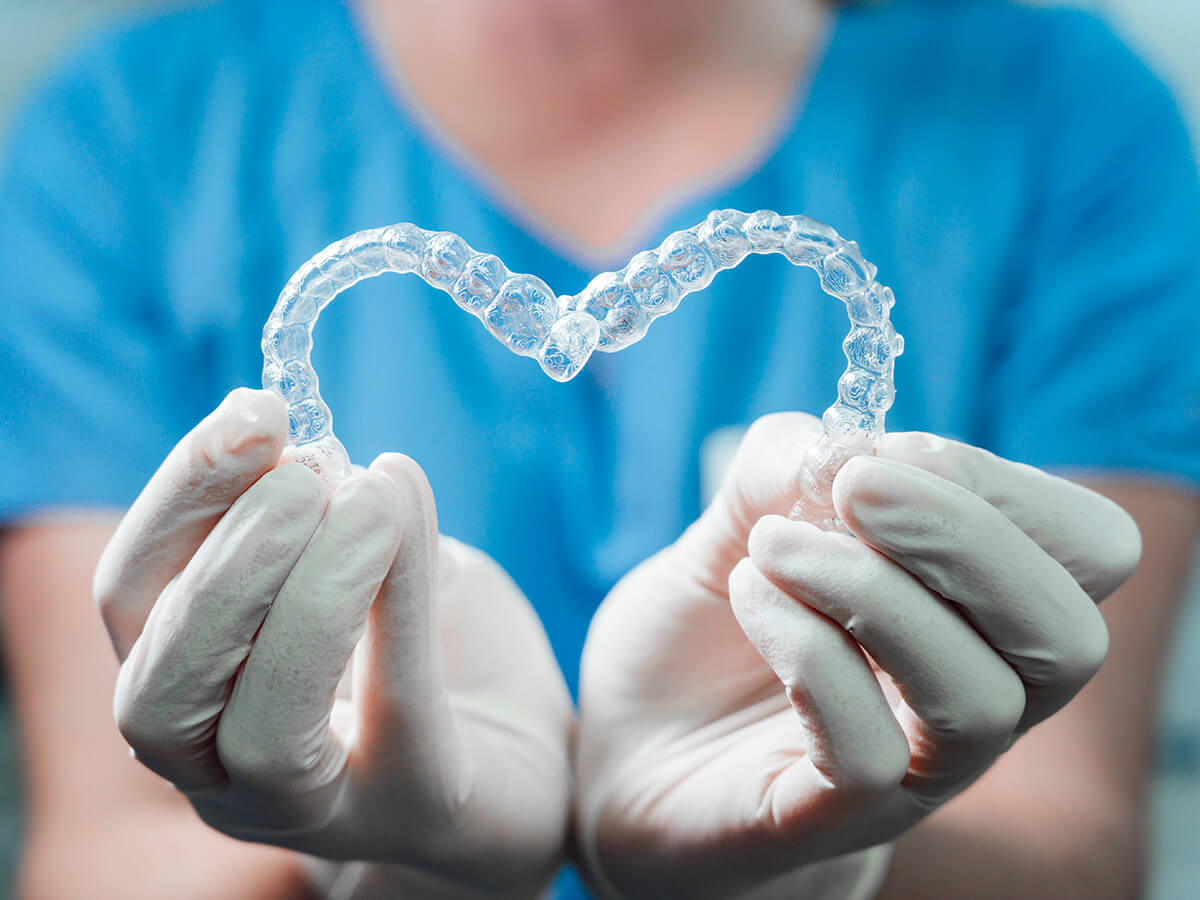
Track Your Invisalign Progress at Lambton Family Dental
Take control of your smile today with Invisalign in Sarnia at Lambton Family Dental. Don’t wait for small alignment issues to turn into bigger problems—call us at 519-344-5747 to book your consultation and get a personalized treatment plan tailored to your teeth.
Visit us to have your progress closely monitored, address any concerns immediately, and ensure your Invisalign treatment delivers the perfect, lasting results you’ve been waiting for.